Understand Concrete Trucks Cost, Control Construction Budgets
This article details concrete trucks costs, compares purchase and rental models, analyzes key cost factors, and guides contractors in selection to aid cost control.
In the construction engineering field, cost control in concrete transportation directly impacts project profitability. Cement truck costs influence the transportation costs of bulk cement in on-site mixing schemes, while concrete truck costs determine the delivery expenses of ready-mix concrete. Both factors significantly affect the overall project budget and are a key focus for construction companies. In particular, concrete truck costs often account for a larger proportion of material transportation costs and are subject to more significant fluctuations.
This article analyzes the key factors influencing concrete truck costs, starting with the purchase and rental prices of concrete trucks, and provides recommendations for rental versus purchase decisions to offer guidance for project cost control.
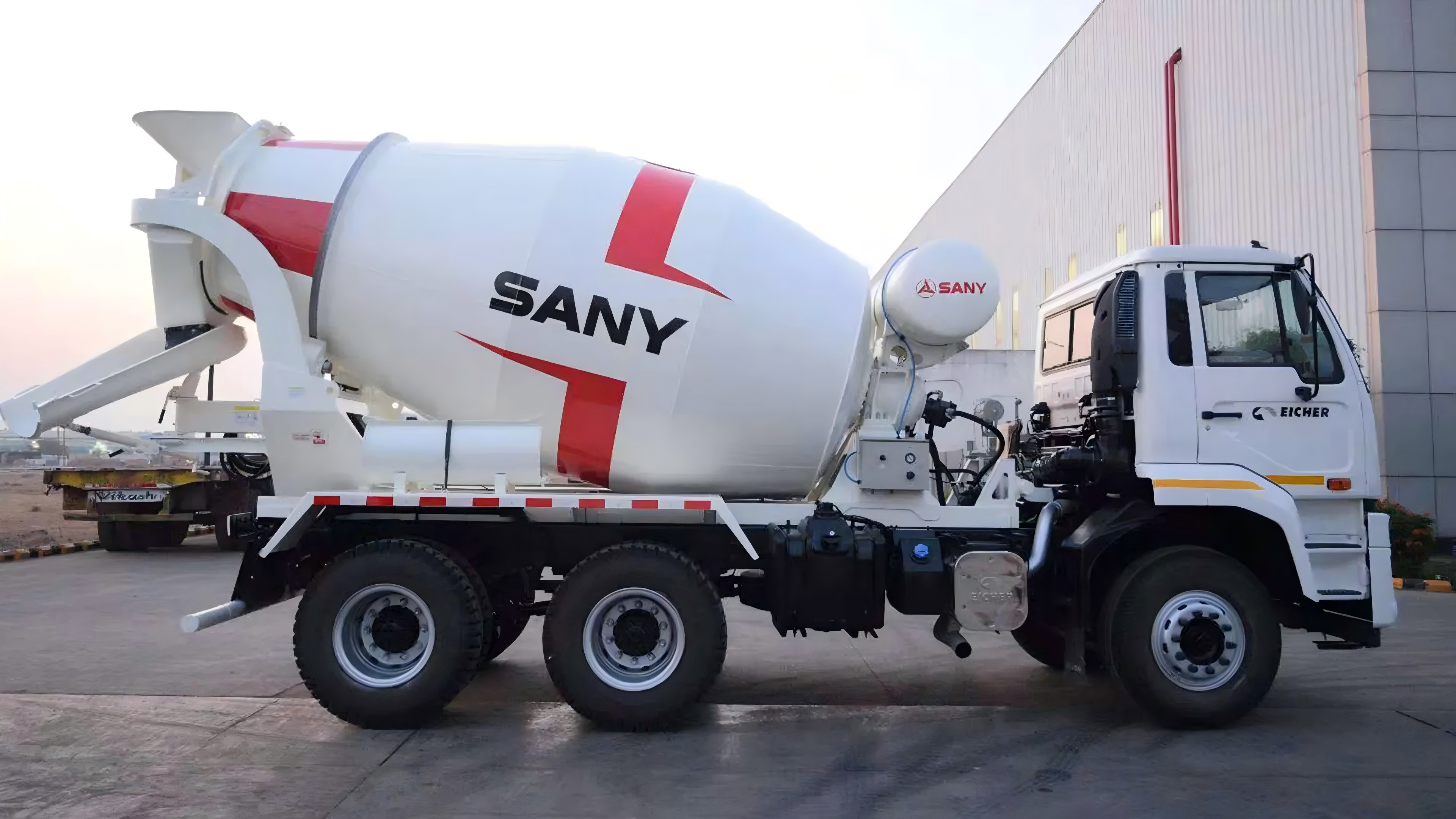
How Much Does it Cost to Buy a Concrete Truck?
For long-term projects, some contractors want to purchase concrete trucks directly, but they find that the cost of concrete trucks varies significantly. This is because the price of a concrete truck differs greatly depending on its size (capacity), type, brand reputation, engine power, and other factors.
Key Factors Affecting Concrete Truck Prices:
- Capacity and Size: Trucks with larger mixing drum capacities (8–12 cubic yards and above) and higher mixing output come at a higher cost, but they are capable of undertaking large-scale projects.
- Vehicle Type: On-site mixing concrete trucks (volumetric mixers) are generally more complex in structure and more expensive than standard concrete mixers.
- Engine and Performance: High-power, energy-efficient engines from well-known brands have a higher upfront purchase cost but offer a longer service life.
- Brand Reputation: Products from reputable manufacturers with proven reliability and comprehensive after-sales service usually command higher prices.
- Technology and Configuration: Advanced automated systems, Global Positioning System (GPS), telematics (tracking) systems, specialized discharge chutes and energy-saving systems all add to the cost.
- Manufacturing Quality: Heavy-duty steel frames and robust components designed for complex road conditions will increase the price while enhancing durability.
- Vehicle Age and Condition: New trucks with low mileage are significantly more expensive than used ones.
- Customization and Add-ons: Customized functions, enhanced safety configurations and warranty packages will all drive up the final selling price.
- Logistics Costs: Transportation fees, import tariffs, local taxes and operator training costs are all additional expenses that need to be considered.
Things to Consider When Buying a Concrete Truck
Purchasing a concrete truck is a significant capital investment, and there are many special considerations to keep in mind.
First, it is crucial to prioritize a thorough mechanical inspection (including the engine, transmission, and mixing unit) with the assistance of professionals. Verify maintenance records, check for concrete buildup inside the mixing drum, assess the chassis for rust or damage, ensure the vehicle's capacity and dimensions meet project requirements, and confirm the ease of future maintenance to avoid costly downtime.
Furthermore, before finalizing the purchase, a comprehensive pre-purchase inspection is essential. It is recommended to involve a mechanic and an experienced operator to ensure the vehicle meets operational needs and fits within the budget.
How Much Does it Cost to Rent a Concrete Truck?
Besides purchasing concrete trucks, many construction companies also choose to lease them, in which case the cost of the concrete trucks is influenced by various factors.
Key Factors Affecting Concrete Truck Rental Costs
1. Vehicle Specifications
Type: Differences between standard mixers, specialized volumetric mixers (more complex and costly), and pump trucks.
Size/Capacity: Larger capacity trucks generally cost more.
Age and Condition: Newer, well-maintained trucks command higher rental rates; older vehicles may carry repair risks.
Brand: Reputable brands can influence pricing.
2. Project Details
Rental Duration: Daily, weekly, or monthly rates apply. Long-term rentals usually offer better daily rates but higher total costs.
Concrete Volume: The total amount of concrete required.
Transport Distance: Mileage beyond the base limit can significantly increase costs.
Project Complexity: Special requirements (e.g., adding fly ash or other admixtures) may raise prices.
3. Operational Costs
Operators: Rental fees often include experienced operators, increasing hourly/daily costs.
Fuel Surcharges: Subject to market fuel price fluctuations.
Delivery/Return Fees: Costs for transporting the truck to and from the job site.
4. Market and Regional Factors
Location: Higher demand or fewer suppliers in an area can drive up prices.
Seasonality: Rates typically rise during peak construction seasons (spring/summer).
Weather: Disruptions such as rain or heavy storms may increase labor and equipment costs.
Things to Consider When Renting a Concrete Truck
When renting a concrete truck, it is necessary to verify the qualifications of the operator, ensuring that the driver holds a valid commercial driver's license and possesses the specific certifications required for operating the vehicle. Additionally, before accepting the vehicle, inspect it for any damage, leaks, or missing parts. If renting an older vehicle, it is recommended to have a third party conduct an inspection.
At the same time, it is important to clarify the cost breakdown and obtain a detailed list of expenses, including basic rental fees, transportation costs, fuel costs, potential excess usage charges, and late return penalties.
Also, confirm that all commercial vehicle ownership certificates, registration documents, and required insurance are complete and valid. Furthermore, remember to review the lease agreement to understand the lease term, payment schedule, and clauses related to early termination or contract modification.
Should I buy or lease a concrete truck?
So, should construction companies buy or lease truck mixers? This depends on the construction team's business volume, control requirements, financial situation, and preference for owning assets versus prioritizing flexibility.
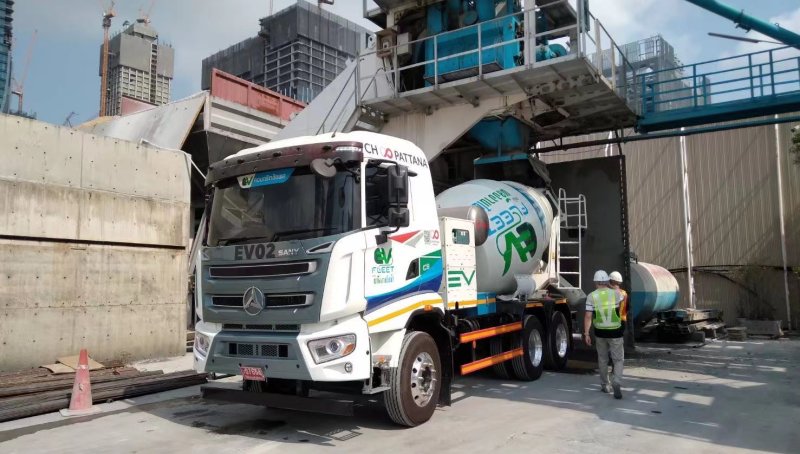
Purchase Model
- Advantages: Builds asset equity, enables full control over the vehicle, and has no mileage restrictions. Ideal for businesses with high utilization rates.
- Disadvantages: Requires high upfront investment; the company must bear all maintenance costs and asset depreciation expenses.
- Best for: Businesses with stable demand, high utilization rates, and a need for full operational control and long-term asset ownership.
Rental Model
- Advantages: Involves low initial expenditure, preserves working capital, allows easy upgrades to newer models, features predictable payment amounts, and may qualify for tax benefits.
- Disadvantages: Imposes mileage limitations (penalties apply for excess mileage); no vehicle ownership at the end of the lease term (unless a purchase option is exercised); potentially higher total costs over the long term.
- Best for: Businesses with fluctuating demand, startups, or those looking to access the latest technology without committing to a full capital outlay.
Conclusion
In summary, the concrete trucks cost is a core aspect of construction project budget control. Its composition and influencing factors differ significantly depending on whether the trucks are purchased or leased, and various considerations must be taken into account in each scenario. Only by comprehensively evaluating their business volume, financial situation, control requirements, and long-term goals, and accurately grasping the key aspects of concrete truck costs under different models, can contractors make the most cost-effective choice, effectively control project costs, and lay a solid budgetary foundation for efficient project progress.
FAQs
How Much Does a Full Concrete Truck Cost?
There is no single answer to this question, as the price of a fully loaded concrete truck varies significantly depending on the type of concrete mix (standard or high-strength), transportation distance, admixtures (colorants, fibers), and additional charges such as short-load fees and overtime fees. Furthermore, you should also budget for extra costs such as fuel surcharges, environmental fees, weekend delivery fees, and waiting time charges. It's best to request a detailed quote from local suppliers to understand the specific costs.
How Much Concrete is in 1 Truck Load?
Standard concrete delivery trucks have a capacity of approximately 8 to 10 cubic yards, but actual capacities vary: larger trucks can carry 12-14 cubic yards, while smaller mixer trucks (mini-mixers) hold about 4 cubic yards. Vehicle capacity is usually limited by road weight restrictions rather than the size of the mixing drum. The capacities mentioned above are sufficient for common residential projects such as driveway paving, patio pouring, or house foundation construction.
What is the Cheapest Way to Get Concrete?
The most economical way to purchase concrete depends on the project size: for small projects (such as filling small potholes), bagged concrete from large building material supermarkets is convenient and cost-effective; for medium to large projects (requiring more than 1-2 cubic yards of concrete), ready-mix concrete delivery services are usually the best option in terms of cost-effectiveness – especially if local suppliers offer bulk discounts or return trip transportation discounts; if the lowest raw material cost is the only consideration, purchasing bulk aggregates and cement to mix yourself is possible, but this method requires additional labor and equipment costs.
Featured Products
_155548.png)

_160259.jpg)
Recommend Blogs
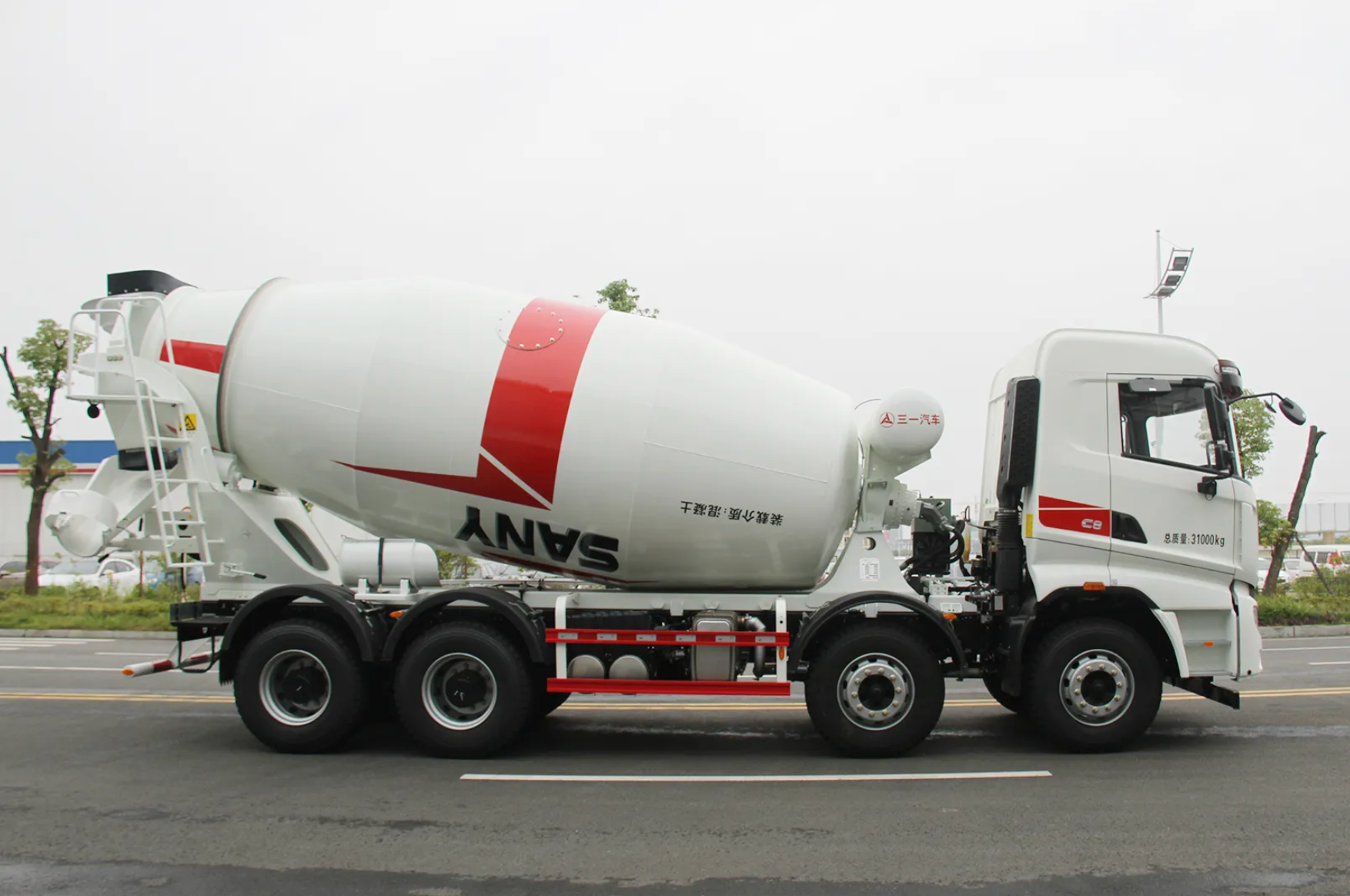
How to Mix Concrete? Hands-On Guide
How to mix concrete? This article details methods, mix ratios and common mistakes to help construction workers master techniques and ensure quality.
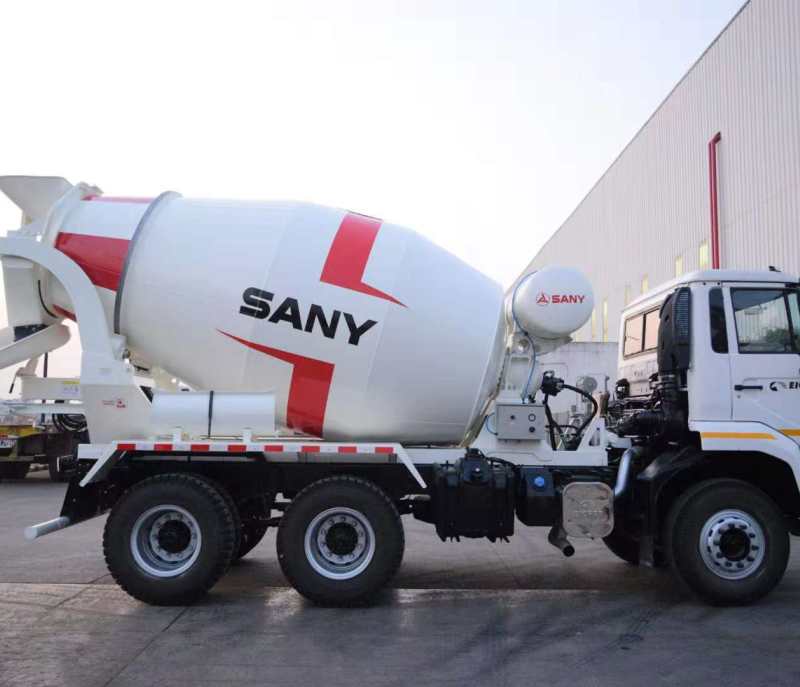
Detailed Analysis of How Many Yards of Concrete Are in a Cement Truck and 2026 Buying Guide
This article describes how many yards of concrete are in a cement truck, and introduces common types, factors affecting load capacity, and selection guidelines.
Cement Truck vs Concrete Truck: Key Differences and Selection Guide
Cement truck vs concrete truck: Are they the same? This article will provide a detailed answer to help you choose the right truck for your construction project.