What Is Concrete Truck Volume? A detailed and practical guide to model selection
What is the concrete truck volume? The following article will detail the calculation method for concrete usage and efficient delivery techniques.
In construction settings, concrete mixer trucks are crucial equipment connecting the mixing plant and the construction site. The concrete truck volume directly determines the efficiency of a single transport trip and is one of the core parameters of construction planning. Understanding concrete truck volume is essential before ordering concrete, as it facilitates efficient equipment allocation and cost control. This article details the volumes of different types of mixer trucks, provides scientific methods for calculating concrete usage, and supplements information on precautions for successful concrete delivery, offering a comprehensive reference for construction planning and concrete ordering.
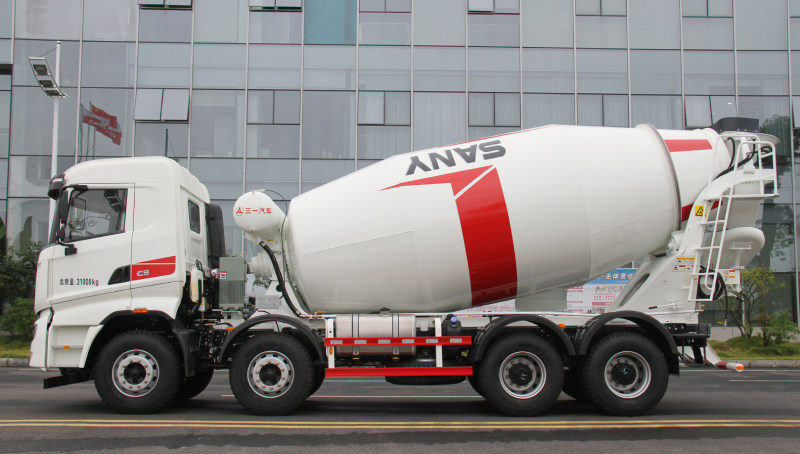
The Volume of Different Types of Concrete Trucks
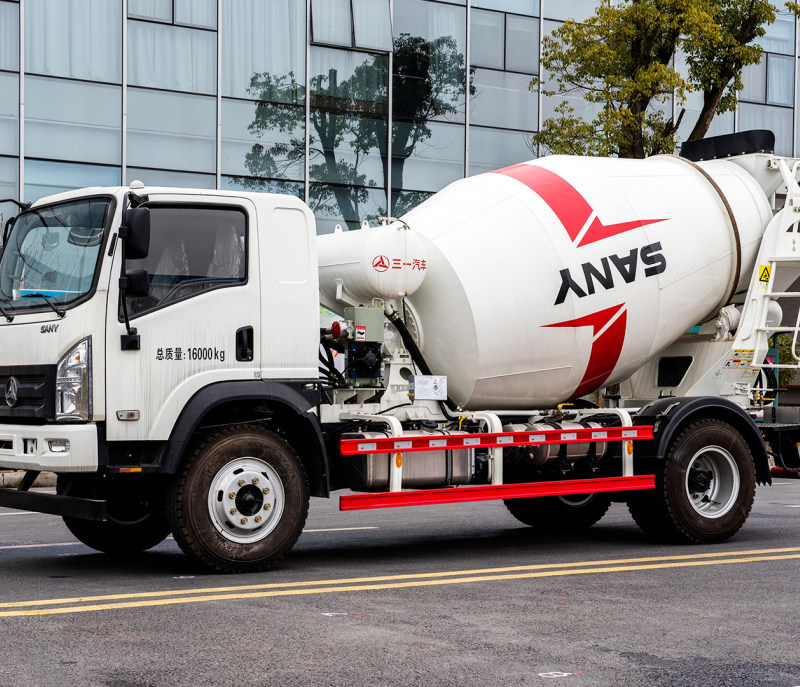
Concrete mixer trucks come in various types, and each type has a different volume. Generally, the larger the concrete truck dimensions, the larger the volume. That is, width of concrete truck, concrete truck length, and concrete truck height are all important factors determining its volume. Below are some common types of concrete trucks and their volumes:
Standard Concrete Truck
The most common type, is used to transport ready‑mixed concrete by rotating the mixing drum. It is often used in small‑ to medium‑sized construction projects, residential developments, and road construction.
Volume: Typically 6–10 cubic yards (4.6–7.6 cubic meters).
Large Concrete Truck
This type of concrete truck is suitable for large‑scale projects, such as large foundations or industrial concrete pours. It is commonly used in commercial buildings, infrastructure projects, and high‑rise construction.
Volume: Up to 10–12 cubic yards (7.6–9.2 cubic meters).
Small Concrete Truck
Not every project requires a full truckload of concrete. For smaller projects, such as pouring a few fence posts or repairing a small concrete pad, a portable concrete mixer or a small concrete truck can be used. These trucks are smaller in size and highly maneuverable, making them suitable for confined job sites and small‑scale projects.
Volume: Typically 1–4 cubic yards (0.8–3 cubic meters).
Volumetric Concrete Truck
Volumetric concrete trucks are unique in that they can mix concrete on site. These trucks carry the various raw materials required for concrete (cement, water, aggregates) in separate compartments and mix them as needed.
Volume: Typically 4–10 cubic yards (3–7.6 cubic meters).
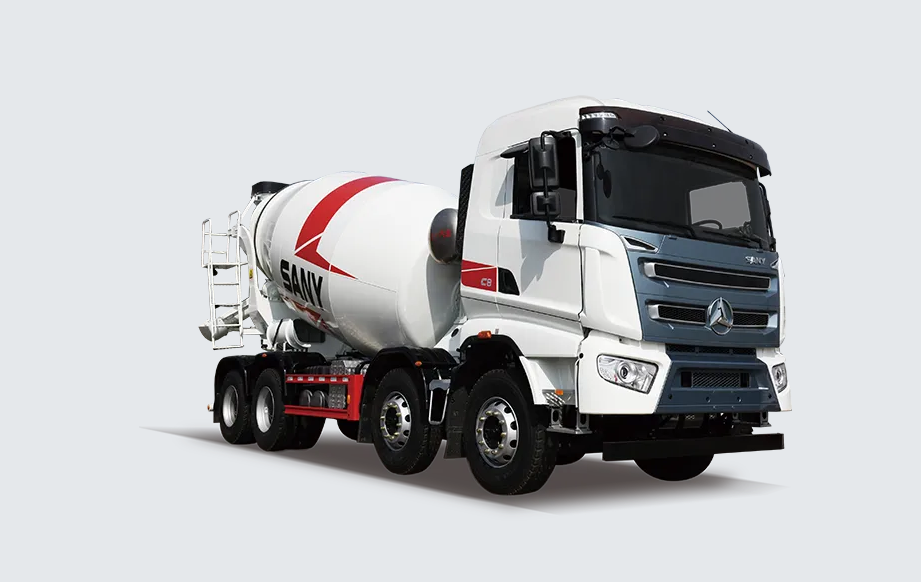
What Factors Affect the Actual Volume of Concrete Trucks?
To determine the volume of a concrete truck, you can check the vehicle's nameplate, usually located near the chassis or cab. Some models will have the capacity directly marked on the surface of the mixing drum, or you can check the official specifications and user manual. However, it's important to note that the nominal volume of a concrete truck differs from its actual safe operating volume due to the following factors. Generally, the actual volume is usually smaller.
Rated Capacity and Usable Volume
Most ready-mixed concrete mixer trucks on the market clearly indicate the rated capacity of the mixing drum. This rated capacity represents the design load-bearing standard of the mixing drum and is the reasonable loading amount to be followed during mixing operations, not the maximum limit capacity that the mixing drum's physical space can hold.
For example, a concrete mixing drum with a rated capacity of 10 cubic yards can have a maximum physical space capacity of approximately 14 cubic yards.
Reserve Mixing Space (Breathing Room)
The reserved space in the mixing drum is crucial for ensuring concrete quality and transportation safety. Sufficient space allows raw materials such as sand, gravel, and cement to mix thoroughly, preventing clumping and ensuring uniform concrete texture and strength. It also prevents concrete leakage caused by the rotation of the mixing drum during transportation, reducing safety accidents and economic losses, while making the pouring operation more efficient and smooth.
Weight Restrictions
Every truck has a maximum load capacity, and the roads it travels on also have load limits. Truck loading should comply with local weight restrictions and transportation regulations, which vary by region.
Concrete Mix Ratio
The specific mix ratio of the concrete (the proportion of water and aggregates) and its consistency will affect the safe loading capacity of the vehicle. Some mix ratios result in denser concrete or require more water, which can reduce the total load capacity.
Worksite Accessibility
The layout of the construction site can limit the amount of concrete a truck can deliver. If the worksite entrance is narrow or the terrain is uneven, the truck may need to carry a reduced load for safety reasons.
How to Calculate How Much Concrete You Need?
To successfully complete a concrete project, besides knowing how many cubic yards of concrete a truck can carry, it's also necessary to determine the total amount of concrete required for the project. For some large projects, one truckload of concrete may not be enough. In such cases, it's necessary to comprehensively determine the number of concrete mixing trucks needed based on the total concrete volume and the concrete truck volume. Below is the method for calculating concrete usage:
Slabs and Rectangular Elements (Driveways, Patios, Walls)
1.Measure: Obtain the length, width, and height in feet.
2.Unit conversion: If the height is in inches, divide by 12 to convert to feet (e.g., 4 inches ÷ 12 ≈ 0.33 feet).
3.Calculate volume (cubic feet): Length (ft) × Width (ft) × Height(ft).
4.Convert to cubic yards: Cubic feet ÷ 27.
Example: A slab that is 20 feet long, 10 feet wide, and 4 inches high.
Height (ft): 4 ÷ 12 ≈ 0.33 ft
Cubic feet: 20 × 10 × 0.33 = 66 cu ft
Cubic yards: 66 ÷ 27 ≈ 2.44 cu yd
Round Columns and Footings (Cylinders)
1.Measure: Obtain the diameter and height in feet.
2.Calculate radius: Diameter ÷ 2.
3.Calculate volume (cubic feet): 3.14 × radius² × height (or π × (diameter ÷ 2)² × height).
4.Convert to cubic yards: Cubic feet ÷ 27.
It is worth mentioning that, to be safe, in actual operation you should reserve some additional concrete based on the calculated result. After all, no project is perfectly executed, and planning ahead can help you handle situations such as spillage, uneven ground, or insufficient loading.
What Else Should You Pay Attention to for a Smooth Concrete Delivery?
After calculating the concrete usage and ordering ready-mixed concrete accordingly, the following aspects should be noted to ensure successful concrete delivery:
Site access and distribution logistics
To ensure concrete mixer trucks can smoothly enter the construction site and unload safely, a site survey is necessary in advance to ensure the trucks can drive in and the ground conditions can support the weight of heavy equipment. Avoid delivery locations with narrow driveways, low-hanging tree branches, or unstable ground near the pouring area.
Ideally, site preparation should be completed the day before delivery. Compact and moisten the soil, ensure the ground is level, and remove debris such as gravel, old concrete, or shrubs from the site.
Weather Conditions
The weather has a significant impact on the performance of concrete. Pouring concrete in rainy, extremely hot, or extremely cold weather can reduce the effectiveness of the pouring or even completely ruin the result. To avoid such situations, check the weather forecast in advance, and if severe weather is expected, it is best to reschedule.
On-site personnel preparation
Once the concrete mixer truck arrives at the site, sufficient personnel are needed to handle the subsequent work. Since concrete begins to set immediately, every minute counts. Therefore, before the truck arrives, ensure there are enough workers on site and that they are equipped with proper safety gear, such as long sleeves, long pants, rubber gloves, eye protection, and heavy‑duty rubber boots.
Setting Up the Formwork
The frame is a wooden fence erected around the edge of the pouring area to outline the shape of the concrete slab. To ensure the project proceeds smoothly, the frame should be reinforced with thick timber to support the concrete.
Conclusion
Mastering the relevant knowledge of concrete truck volume, accurately calculating concrete demand, and preparing for delivery are key aspects of ensuring the quality and efficiency of construction projects. By rationally selecting the mixer truck model, fully considering factors affecting the actual volume, and strictly adhering to operating procedures, delays and cost overruns caused by improper volume control or oversights in the delivery process can be effectively avoided, laying a solid foundation for the smooth completion of the project.
FAQs
What Is the 20/30/40 Rule In Concrete?
The 10/20/30/40 rule for concrete is a simple volume-based guideline, referring to approximately 10% cement (a binding material that hardens through hydration with water), 20% water and air, 30% sand (fine aggregates), and 40% gravel (coarse aggregates). However, this is a basic "rule of thumb" for material mixing in general scenarios; professional projects require precise weight-based mix designs to meet specific strength requirements.
Do I Need Rebar in a Concrete Pad?
For large concrete slabs—especially those over 4 inches (10 cm) thick or covering extensive areas—using rebar is generally recommended. Rebar helps strengthen the concrete, reducing the risk of cracking caused by shrinkage, temperature changes, or heavy loads.
Do I Need Gravel Under My Concrete Slab?
Not all concrete slabs require a crushed stone base, but it does significantly enhance the durability of concrete structures. Crushed stone provides a stable foundation for the concrete slab, ensuring even weight distribution and preventing displacement or settling over time. Without crushed stone, the concrete slab may be placed directly on the soil, which can shift, trap moisture, or experience frost heave, leading to uneven surfaces and cracks. Therefore, the decision to use crushed stone depends on the specific circumstances.
Featured Products
-OE_160931.jpg)
Recommend Blogs
How to Mix Mortar in a Mixer? Step-by-Step Tips for Different Mixer Operations
This article explains how to mix mortar in a mixer and provides operating instructions for different mixers.
Cement Truck vs Concrete Truck: Key Differences and Selection Guide
Cement truck vs concrete truck: Are they the same? This article will provide a detailed answer to help you choose the right truck for your construction project.

How Does Concrete Mixer Truck Work? Essential Insights for Construction Workers
This guide explains how does concrete mixer truck work, offering solutions for equipment selection, usage, and maintenance based on your construction needs.