All About Class 4 Forklifts: Selection & Application
This article outlines class 4 forklift features, differences from other classes, and applicable scenarios, guiding practitioners in equipment selection.
In the scenarios of logistics warehousing and industrial handling, the classification of Forklift Trucks directly determines the scope of application and operational efficiency of the equipment. Currently, forklifts are categorized into seven classes based on their design, power source, and intended use. Forklifts of different classes vary in terms of power, tires, and applications, and are tailored to meet the requirements of distinct operational scenarios. Among them, the class 4 forklift stands out as a "versatile workhorse" in the field of industrial handling. With its unique structural design and performance advantages, it occupies a pivotal position in specific material handling scenarios. This paper will focus on the definition and core characteristics of the class 4 forklift, its differences from forklifts of other classes, and clarify its application scenarios, providing practical guidance for enterprises in equipment selection.
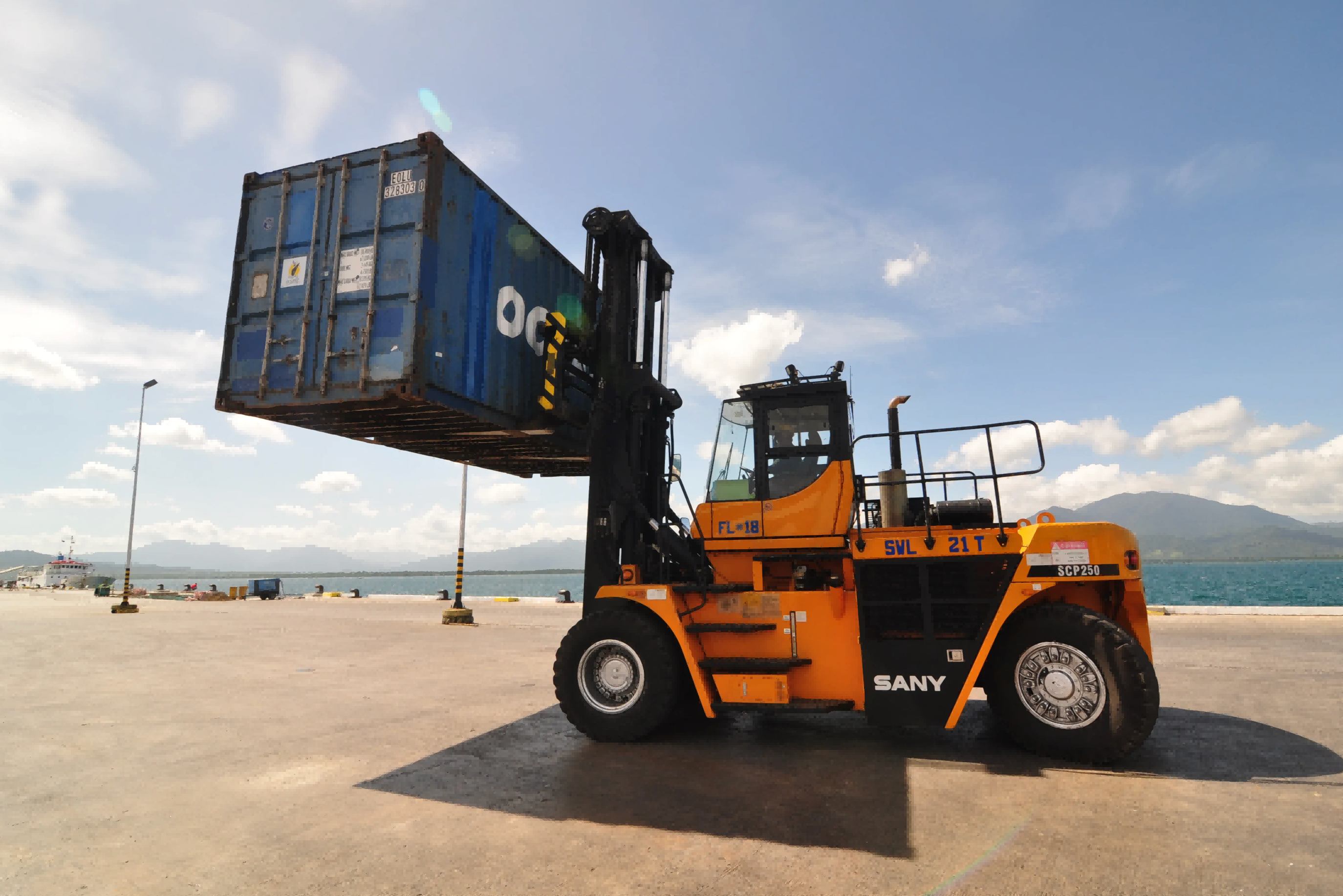
What is a Class 4 Forklift?
Class 4 forklift is an internal combustion (IC) powered forklift equipped with solid cushion tires. It is mainly designed for flat indoor venues such as warehouses, manufacturing industries, and retail industries. It can use fuels such as liquefied petroleum gas, gasoline, or diesel to provide strong torque for heavy-duty operations. These forklifts are known for their high strength, low profile, and suitability for areas with low headroom.
Power Source
Internal combustion (IC) engine, which can use fuels such as liquefied petroleum gas (LPG), gasoline, diesel, or compressed natural gas (CNG).
Tires
Solid rubber shock absorber tires (flat) are puncture resistant and can be driven smoothly on flat, hard indoor surfaces, unlike pneumatic tires.
Application Scenarios
Suitable for indoor environments such as warehouses, bottling plants, manufacturing industries, and retail industries, and can efficiently handle heavy-duty goods.
Performance
It has high torque and high lifting capacity, capable of coping with high-demand operations; compared with electric models, it has faster refueling speed, reducing downtime.
Design
Generally, it has low ground clearance and a small footprint, and has better maneuverability in narrow indoor passages and low headroom areas.
Fuel
Quick refueling (especially for LPG models) can support continuous multi-shift operations, enabling high productivity in high-frequency and heavy-duty usage scenarios.
Differences Between Class 4 Forklifts and Other Classes of Forklifts
In addition to class 4 forklifts, other types of forklifts have their own characteristics and play important roles in many operating scenarios. So, what are the differences between the various classes of forklifts?
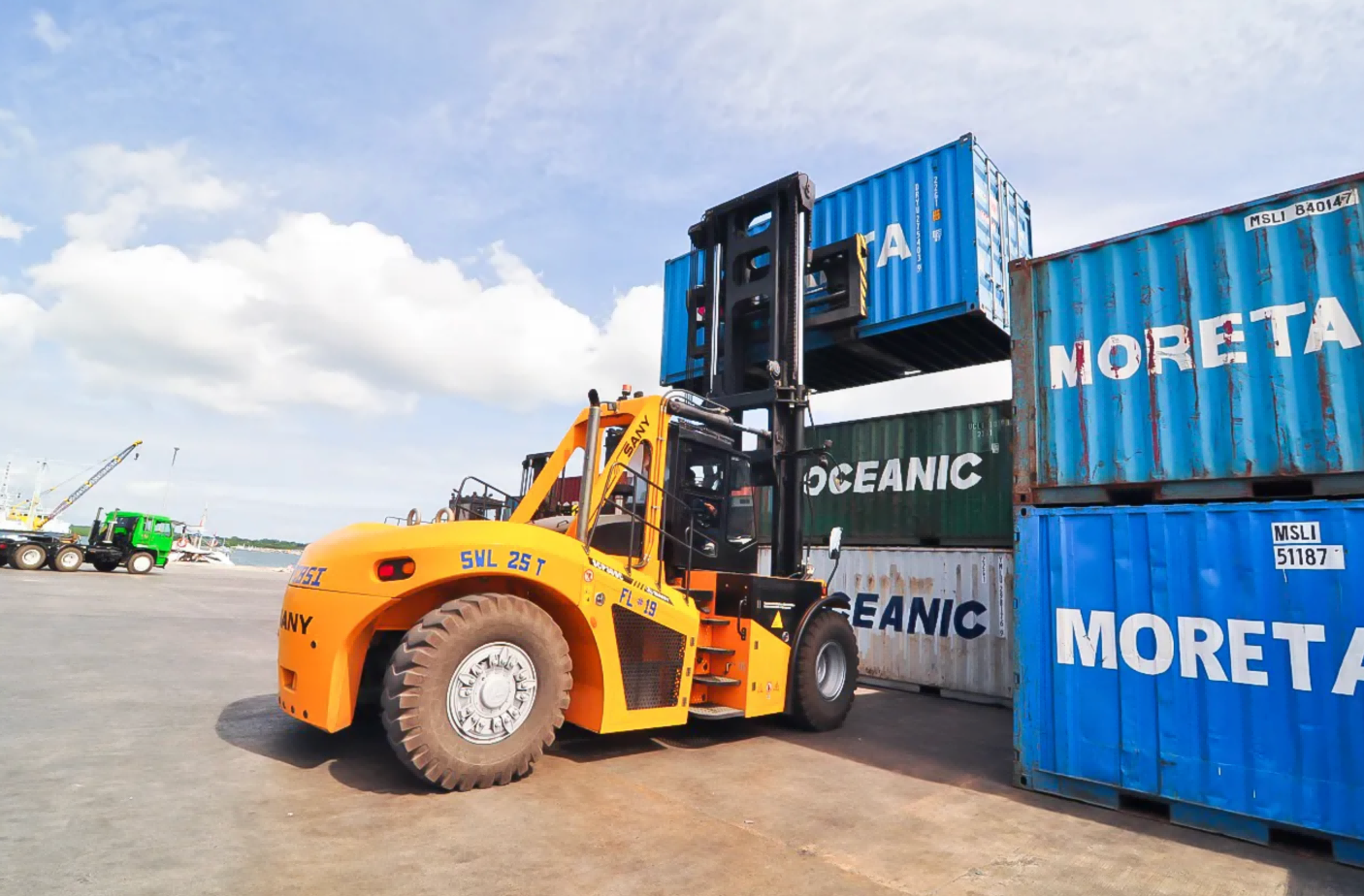
Class 1 Forklift (Electric Sit-Down Rider Forklift)
Powered by rechargeable batteries and fitted with solid tires, it is designed for clean indoor operations such as warehouses, pharmaceutical storage facilities, and cold-chain workshops. Available in both stand-up and sit-down models, it features zero emissions and low noise, making it ideal for heavy-load indoor handling in spaces with dense racking and moderately wide aisles.
Class 2 Forklift (Electric Narrow Aisle Forklift)
Also battery-powered and equipped with specialized narrow solid tires, it is engineered for high-density indoor warehousing environments like e-commerce fulfillment centers and high-rack warehouses. This category includes reach trucks, order pickers, and similar equipment. It can navigate aisles as narrow as 1.8 meters and lift loads up to 9 meters high, with its core function being precision high-level stacking.
Class 3 Forklift (Electric Walkie/Rider Forklift)
A compact electric-powered unit with small solid tires, it is primarily used for short-distance, low-level indoor handling. It is well-suited for scenarios like retail backrooms, loading docks, and the interiors of delivery trucks. Operated either by walking behind or standing on the unit, its core purpose is ground-level pallet moving, and it is characterized by its small size and high maneuverability.
Class 5 Forklift (Internal Combustion Pneumatic Tire Forklift)
Powered by propane, gasoline, or diesel, it is fitted with large pneumatic tires and has a higher ground clearance than the class 4 forklift. It is built for heavy-duty outdoor operations in settings such as lumber yards, container terminals, and building material yards. Capable of handling slightly uneven surfaces, its core function is the transportation of large outdoor materials.
Class 6 Forklift (Electric/Internal Combustion Tractor)
Also known as a tow tractor, this industrial vehicle can be powered by either electricity or an internal combustion engine. Its primary function is towing loads (e.g., airport baggage carts, assembly line trolleys) rather than lifting goods. Typically operated in a sit-down configuration, it has versatile applications that cover both indoor and outdoor use, depending on its power source.
Class 7 Forklift (Rough Terrain Forklift)
Diesel-powered and equipped with oversized off-road pneumatic tires, it is purpose-built for extreme outdoor environments such as construction sites, oilfields, mines, and forestry operations with complex terrain. Boasting a robust and complex structure, some models are fitted with telescopic booms, stabilizing outriggers, and elevated operator cabins, enabling them to climb slopes, traverse obstacles, and lift heavy loads to significant heights.
Overall, class 4 forklifts fill the gap between pure electric forklifts (Classes 1-3) and internal combustion forklifts focused on outdoor use (Classes 5 and 7), providing the dual advantages of power performance and solid tire durability for specific indoor operations.
When to Select a Class 4 Forklift?
Class 4 forklifts perform excellently in the warehousing, manufacturing, and retail industries, and can handle pallet goods, load/unload trucks, and stack products on flat indoor ground. Its core application scenarios include the following:
Warehousing and Distribution Centers
Handling pallets, stacking goods, and loading/unloading trailers in high-density warehousing environments.
Manufacturing Plants
Transporting raw materials, semi-finished products, and finished products in factories, especially when continuous power is needed for heavy loads.
Retail and Home Improvement Industries
Replenishing shelves, handling bulk items, and managing inventory in large shopping malls with flat ground.
Food and Beverage Industry
Handling pallet goods in production and distribution links. Such scenarios usually require stable-performance equipment to complete continuous operations.
Low Headroom Environments
With a low body and solid tires, it is very suitable for indoor spaces with low ceilings or narrow areas—where pneumatic tires may have problems.
Dual Indoor-Outdoor Scenarios
As long as the ventilation conditions can handle emission issues, it can flexibly switch operations between outdoor loading docks and indoor facilities.
Conclusion
In summary, with the core configuration of "internal combustion power + solid cushion tires", class 4 forklifts accurately match the needs of flat indoor heavy-duty operations. They not only make up for the deficiencies of electric forklifts in continuous power and heavy-load capacity but also avoid the shortcomings of outdoor-specific forklifts in indoor adaptability. By clarifying their core characteristics, differences from other types of forklifts, and optimal application scenarios, enterprises can judge whether to select class 4 forklifts according to their own operating environment, load requirements, and operation mode. Reasonable selection of class 4 forklifts can effectively improve material handling efficiency, reduce equipment maintenance costs, and provide strong support for the smooth development of production and operations.
FAQs
What Should Be Noted When Using a Class 4 forklift?
When using a class 4 forklift, it should be noted that it is specially designed for flat indoor ground. Operators must receive professional training on the power system (LPG/gasoline/diesel) and pay attention to ventilation conditions. They must strictly abide by the load capacity and stability requirements, conduct pre-shift inspections (braking system, tires, fluids), maintain a safe speed and steering, remain alert with 360° visibility at all times, and for safety, all parts of the body must be placed inside the overhead guard.
What Risks Arise From Incorrect Forklift Class Selection?
Incorrect selection of forklift class can lead to serious risks, including:
- Safety and Injury Risks: Rollovers, pedestrian collisions, goods falling, crushing, and impact accidents.
- Operational and Financial Risks: Equipment damage, reduced productivity, and increased costs.
- Legal and Compliance Risks: Fines and penalties for violating safety regulations, and potential legal liability for accidents caused by using the wrong class.
What Are the Key Daily Checks for Class 4 Forklifts?
The key daily checks for class 4 forklifts include visual inspections (leaks, tires, forks, masts, guards, seatbelts) and operational tests (braking systems, steering systems, hydraulic systems, alarms/lights, gauges) to ensure operational safety. Before operation, it is necessary to focus on checking fluid levels, tire conditions, brake effectiveness, hydraulic functions, and overall structural integrity.
Featured Products
Recommend Blogs
Forklift Truck Height Parameters Explained: Definitions, Selection & Calculations
This paper details the core parameters and calculation methods of forklift truck height, providing guidance for forklift selection and safe operations.
Forklift Truck Loading Safety Guide: Full Process and Risk Avoidance
This article details common scenarios, the entire process of forklift truck loading, and key safety points to help achieve safe and efficient operations.
2025 Forklift Truck Manufacturers: Industry Insights & Choices Guide
Analyze forklift truck manufacturers' core responsibilities, trends and selection points to help enterprises efficiently choose the right forklift truck suppliers.