Can a Forklift Enter a 26 Ft Box Truck? Compatibility Matching & Best Practices Guide
This article addresses the question of can a forklift enter a 26 ft box trucks, provides practical advice and alternatives, and offers comprehensive guidance for practitioners.
For businesses and operators who frequently rely on forklifts for cargo transfers, the question of can a forklift enter a 26 ft box truck directly impacts operational efficiency, equipment safety, and even personnel security. In reality, whether a forklift can enter a 26-foot box truck is not always possible or impossible; it hinges on a series of stringent compatibility requirements and standardized operations. This article will delve into key compatibility checks and best practices for truck and forklift compatibility, starting with core prerequisites. It will also offer alternative solutions when these requirements are not met, providing comprehensive and practical operational guidance for practitioners.
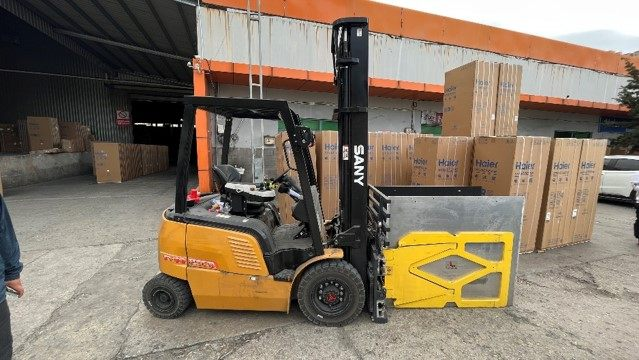
Can a Forklift Enter a 26 Ft Box Truck? Short Answer
The answer is yes, subject to the following prerequisites:
1. Compliant hardware: The box truck must have a heavy-duty reinforced floor and an interior suitable for forklift operation;
2. Precise parameter matching: The box truck and forklift must be compatible in terms of core parameters such as load capacity, dimensions, and suspension;
3. Compliant personnel: The operator must hold a valid qualification certificate and strictly adhere to safety operating procedures;
4. Compliant with laws and regulations: The operator must comply with local regulations regarding forklift operation and commercial vehicle use.
Matching Truck & Forklift: Key Compatibility Checks
Clearance from Door to Ceiling
The interior height of a box truck is the minimum requirement for safe forklift entry. Most 26-foot box trucks have an interior height of 96 inches. To ensure safe passage, the box truck's entrance door and ceiling must be at least 2 inches higher than the forklift's maximum height to prevent collisions during operation. Additionally, ensure the box truck's interior width allows for forklift turning and handling operations to prevent accidents caused by limited space.
Weight and Floor Strength
The load-bearing capacity and gross weight of a box truck's floor directly impact operational safety. Most 26-foot box trucks have a gross weight rating of up to 26,000 pounds. This figure includes the combined weight of the box truck, forklift, cargo, and all pallets, and must be maintained within this weight limit at all times.
Regarding floor strength, heavy-duty 26-foot box trucks typically have reinforced floors to prevent bending or cracking during forklift operation. Before operating, carefully verify the floor rating and inspect the floor for damage such as cracks, rust, or soft areas.
Suspension Type and Stability Impact
The suspension system helps keep the box truck stable when a forklift enters. There are two main types of suspension: air suspension and spring suspension:
Air suspension: Maintains stable vehicle height even when the load changes, offering excellent shock absorption, reducing vibration damage to the forklift and cargo. Some models also offer adjustable floor height for enhanced loading and unloading convenience. However, the vehicle may drift from the dock during loading and unloading, requiring dock locks or wheel chocks.
Spring suspension: It has strong load-bearing capacity, but the body tends to sink when the load increases, resulting in an uneven floor and reduced operational stability of the forklift. It also has large vibrations and no height adjustment function, but the displacement at the dock is relatively small.
However, regardless of the suspension type, if properly inspected and maintained, it provides equivalent safety and allows smooth forklift loading, unloading, and transfer operations.
Dock Height, Ramp Angle, and Lift-gate Challenges
Dock height: Dock height plays a crucial role in safe forklift entry and exit operations. Most dock heights are maintained at a standard height of 48 to 52 inches, which matches the bed height of many Class 6 box trucks and reduces the risk of forklifts entering and exiting the box truck. When the box truck is lower than the dock height, a leveler or lift table can be used to bridge the gap and avoid tip-over accidents.
Ramp angle: Choosing the right loading and unloading ramp is crucial. The safe climbing angle for forklifts typically does not exceed 15°, and this angle must be strictly controlled by adjusting the ramp length. Also, select a sturdy ramp that is non-slip and meets load-bearing standards. This is especially true when working on wet or rough surfaces, where additional anti-slip treatment is required.
Lift-gate challenges: When there's no loading dock, a liftgate is another way to get forklifts and cargo in and out of a box truck. Most 26-foot box truck liftgates have a capacity of 1,000 to 3,000 pounds, sufficient for lifting pallets. However, always check the liftgate's load rating before operation and avoid overloading.
Best Practices When Attempting Entry
1. Comprehensive Inspection Before Loading and Unloading
- Box truck Inspection: Securely park the box truck at the dock, apply brakes, and place wheel chocks. Clear the interior of the box truck to remove debris, loose objects, and obstructions. Check for holes in the floor, weak areas, insufficient lighting, and low headroom. Ensure the dock and ramp are free of obstructions, oil, and water. Install anti-slip material in areas prone to weather hazards.
- Forklift Inspection: Thoroughly inspect key forklift components, including brakes, lights, warning signals, and tires, to ensure they are in proper working order and avoid safety incidents caused by equipment failure.
2. Standardize Operational Procedures
- Plan the forklift route in advance, clarify the loading sequence, and ensure a clear and unobstructed path. Always operate the forklift at a low and steady speed, avoiding sudden turns and braking.
- Secure the cargo and the forklift during loading with secure straps and wheel chocks to prevent shifting or imbalance of the forklift due to bumps during transport.
- The forklift’s weight must be evenly distributed across the truck floor, maintaining a balance front-to-back and side-to-side. Avoid overloading in certain areas to ensure the truck's stability during transport.
3. Strengthen Training and Communication
- Ensure all participants receive specialized training, including knowledge on safe driving, equipment operation, load limits, and cargo handling.
- Operators must fully communicate with truck drivers before any operation to clarify operational procedures and emergency plans. During operations, the team can communicate operational intentions through horns, warning lights, and hand signals. Observers should be deployed to provide guidance in areas with limited visibility or crowded areas.
- On-site personnel should wear brightly colored clothing for enhanced visibility. When necessary, walkie-talkies should be used to maintain real-time communication to ensure timely and accurate information transmission.
When It’s Not Feasible: Alternatives & Workarounds
If the box truck and forklift specifications are incompatible (e.g., insufficient floor support, too low a height, etc.), the following alternatives can be considered:
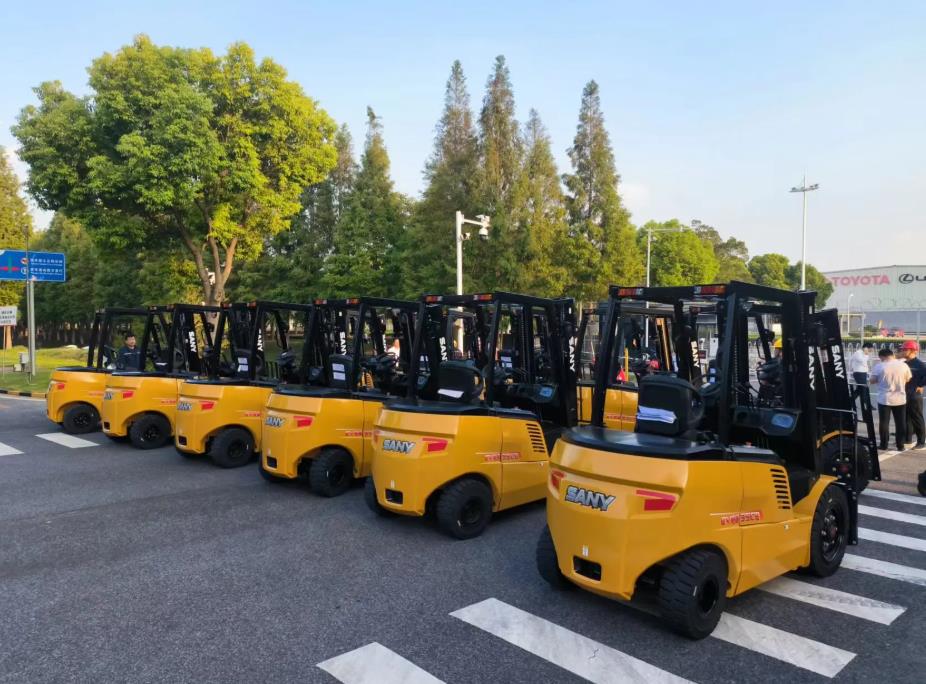
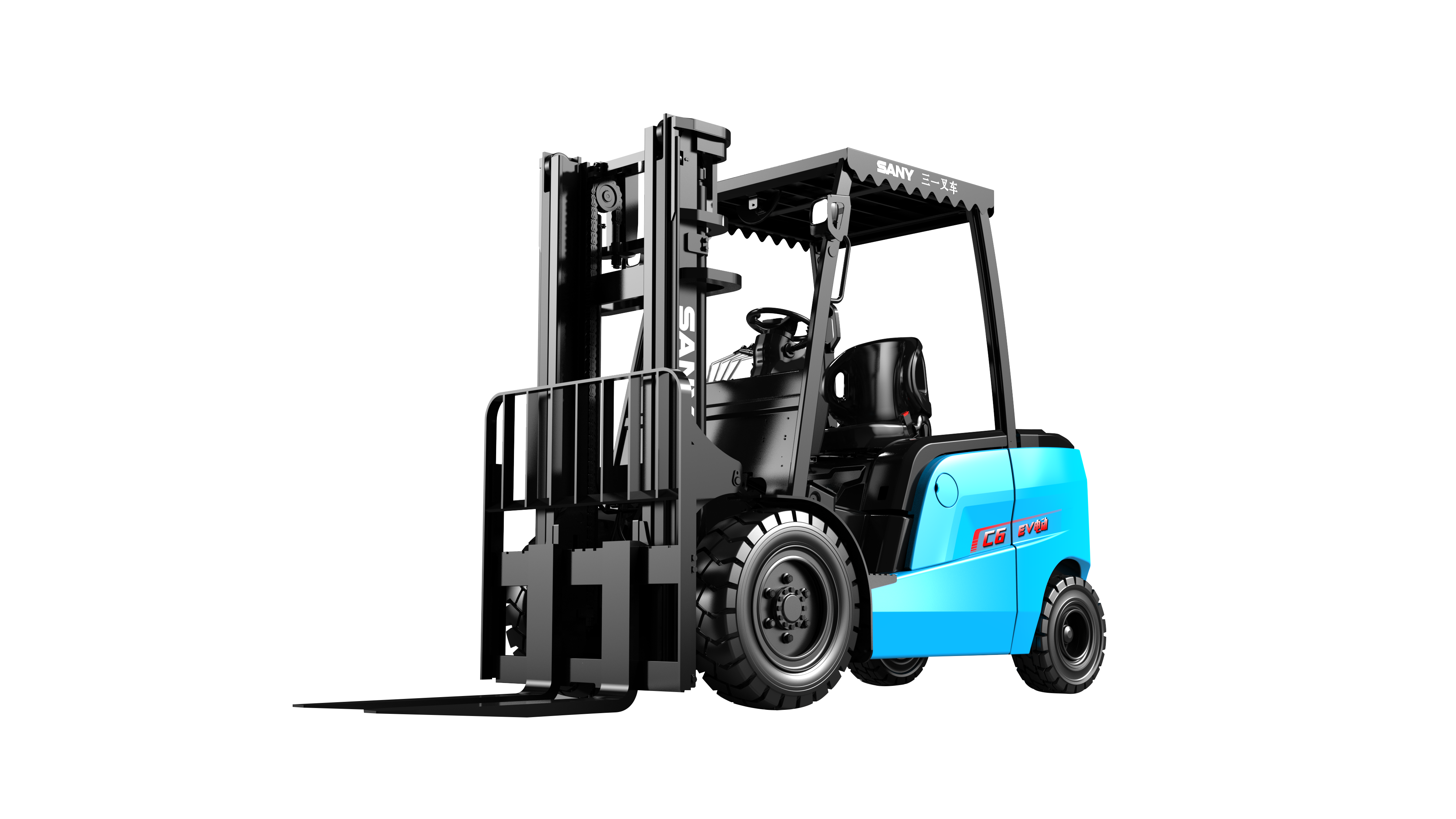
- Replace with smaller equipment: For example, a SANY Electric forklift or a manual hydraulic forklift, etc., which are smaller and lighter, are suitable for light trucks or in applications with limited space.
- Optimize cargo shape: Break down large cargo into smaller pieces, load and unload them in batches using pallets, reduce the weight and volume pressure of a single loading and unloading, and adapt to trucks with weaker floor load-bearing capacity.
- Adjust transportation and equipment configuration: Replace heavy-duty trucks with Class 6 or higher and reinforced floors; or hire a professional team and utilize large equipment such as cranes for loading and unloading operations.
- Upgrade auxiliary facilities: Build an adjustable transition platform to address the height mismatch between the dock and the truck. If the tail lift's load capacity is insufficient, replace it with a higher-capacity tail lift.
Conclusion
In short, the answer to can a forklift can enter a 26 ft box truck depends on multiple factors: hardware compliance, precise parameter matching, operational compliance, and legal compliance. In actual operations, safety and compliance must always be prioritized, with enhanced personnel training and strict implementation of inspection procedures to maximize the value of forklifts and 26-foot box trucks, ensuring smooth and efficient logistics operations.
FAQs
Can a Forklift Go in a Box Truck?
This depends on the box truck and forklift types and classifications. A class 6 or higher box truck can usually accommodate small or medium forklifts; but large forklifts may not fit in standard box trucks and would require higher-class trucks or alternative transportation equipment.
Is a 26-foot Box Truck Considered a Commercial Vehicle?
To qualify as a commercial vehicle, the following criteria must be met:
- Use: A truck is considered a commercial vehicle if it is used for any commercial purpose, such as transporting goods or making deliveries. Even if it is used for personal use, it is generally considered a commercial vehicle for insurance and regulatory reasons due to its large size.
- Weight: Vehicles with a gross vehicle weight rating of 10,000 pounds or more are generally classified as commercial vehicles.
A 26-foot box truck, which is often used to transport goods and has a gross vehicle weight rating of up to 26,000 pounds, is considered a commercial vehicle.
What Class Is a 26-foot Box Truck?
A 26-foot box truck is typically a medium-sized vehicle and, with a gross vehicle weight rating of up to 26,000 pounds, can be classified as a Class 6 vehicle. box trucks of this class typically have reinforced floors and a large interior volume, making them more suitable for forklift access.
Recommend Blogs
How Much Does a Forklift Truck Weigh? A Quick & Practical Weight Data and Safety Guide
How much does a forklift truck weigh? Get typical weights, factors affecting them, and practical safety tips for operators.
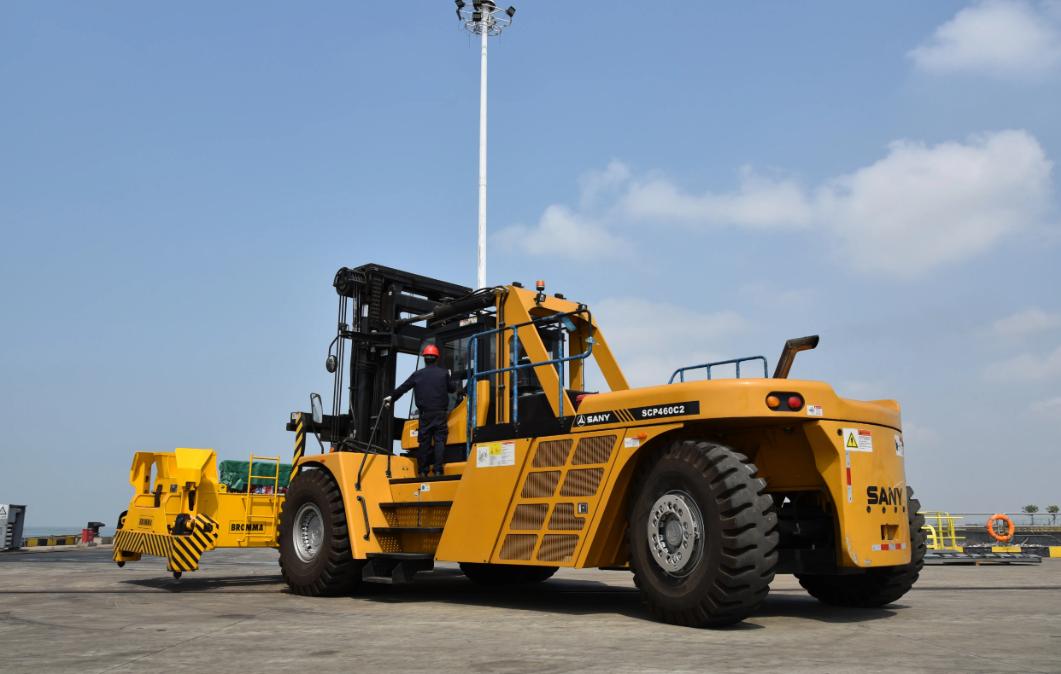
Right Forklift Companies Can Fully Assist the Forklift Team to Carry Out Operations Efficiently
This article highlights the importance of selecting high-quality forklift companies and their types, and provides a purchasing guide to help forklift teams operate more efficiently.
Complete Guide to the Differences: Forklift and Reach Truck
This guide explains what forklift and reach truck are and the differences between them, helping you choose the equipment that best suits your job requirements.