2026 Asphalt Paver Company: Business, Processes & Selection Guide
How to choose an Asphalt Paver Company? This article analyzes core services, construction processes, shares selection tips, helps control project quality.
In infrastructure construction such as roads, parking lots and residential pavements, asphalt has become one of the most commonly used paving materials due to its advantages of wear resistance, slip resistance and easy maintenance. Behind all these high-quality projects is the support of professional Asphalt Paver Company. This article will fully analyze the core value, construction process and selection skills of Asphalt Paver Company, helping you build a complete cognitive framework for the industry.
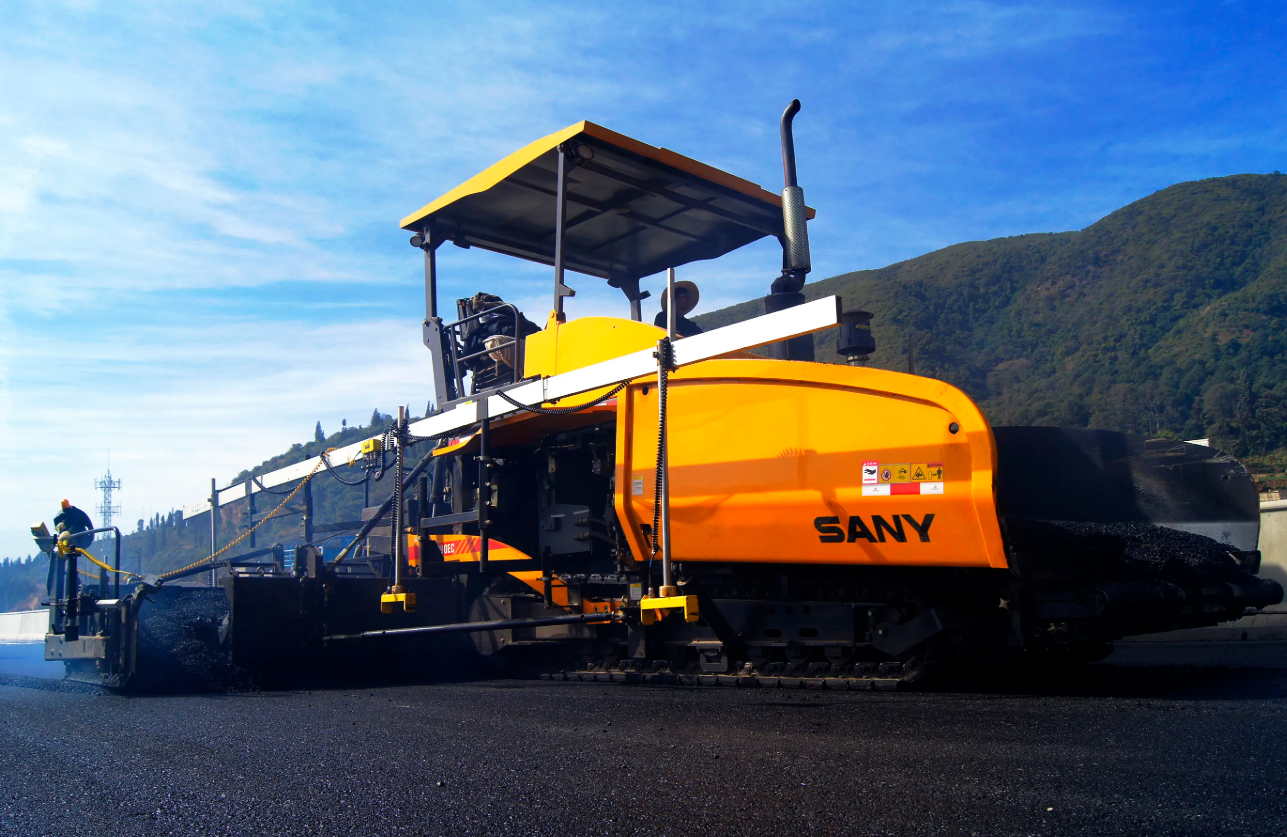
What Does an Asphalt Paver Company Do?
Many people's understanding of Asphalt Paver Company only stays at the superficial level of "asphalt paving". In fact, its business covers the entire chain of services from pre-planning to post-completion support, with professionalism running through the whole process.
Core Services Offered
The core services of Asphalt Paver Company revolve around two main pillars: "new construction" and "maintenance".
1. New Construction Projects:
Undertake the full-process services from site survey and scheme design to on-site construction. For example, for parking lot projects, the asphalt thickness and paving technology will be designed based on the estimated traffic volume to ensure the bearing capacity meets the standards; for municipal roads, the drainage slope and anti-skid texture will be designed in combination with traffic planning.
2. Maintenance & Renovation:
The services are equally diverse. For pavements with cracks, crack sealing will be adopted to prevent water from seeping into the base course; for potholed and loose areas, local milling will be carried out before re-paving; when the pavement is severely worn overall, overlay services such as thin-layer resurfacing can also be provided to extend the pavement's service life.
3. Supporting Services:
Many Asphalt Paver Companies also provide supporting services such as marking painting and curb installation, delivering one-stop pavement construction solutions.
Equipment and Materials They Use
Professional equipment and high-quality materials are the cornerstones of project quality, and Asphalt Paver Company adheres to strict standards in both aspects.
Equipment
Core equipment includes Asphalt Paver, road rollers, milling machines, asphalt transport vehicles, etc.
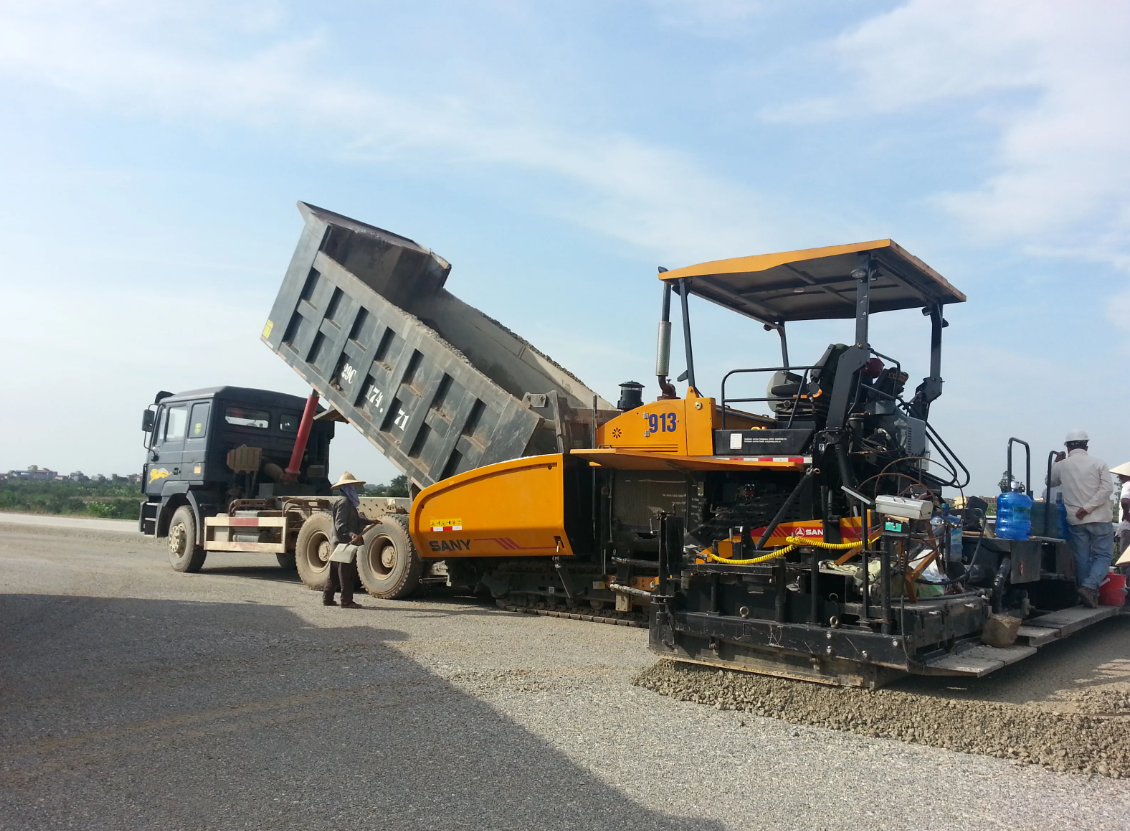
Among them, Asphalt Paver can accurately control paving thickness and speed to ensure pavement flatness; road rollers are divided into steel wheel rollers and rubber wheel rollers, which undertake initial compaction, re-compaction and final compaction respectively to achieve the optimal density of asphalt mixture.
All these equipment are selected from powerful large enterprises represented by SANY, featuring strict and reliable quality control, efficient performance, and comprehensive after-sales service. Any problems will be solved in a timely manner without affecting the overall progress of the project.
Materials
Asphalt Paver Company selects different grades of asphalt and graded crushed stone according to project requirements.
High-quality asphalt must have good adhesion, high-temperature resistance and low-temperature resistance, while the gradation of crushed stone directly affects the pavement's density and wear resistance.
Meanwhile, regular Asphalt Paver Companies cooperate with large asphalt mixing plants to ensure accurate proportioning and uniform mixing of asphalt mixture, as well as timely supply in line with the construction progress, avoiding construction quality issues caused by material problems.
Why the Right Company Matters for Longevity
The service life of asphalt pavements is affected by various factors, among which the professionalism of the constructor plays a decisive role.
Regular Asphalt Paver Companies have experienced construction teams capable of accurately controlling key construction links (such as paving temperature, compaction times and speed).
Unregulated teams may have problems such as outdated equipment, shoddy materials and irregular processes, leading to pavement quality issues.
How an Asphalt Paver Company Works on Paving Day
The construction process on the paving day is interlocking, and quality control at each link directly affects the final project effect. Understanding these processes can not only help owners supervise construction quality but also better cooperate with the construction progress.
1. Arrival and Setup
The construction team arrives 1-2 hours in advance to clean the site (remove debris, dust, oil stains, etc.). For old pavement renovation, milling and chiseling are also required.
Debug equipment and check parameters such as Asphalt Paver's paving thickness, vibration frequency, and road roller pressure to ensure the equipment is in optimal working condition.
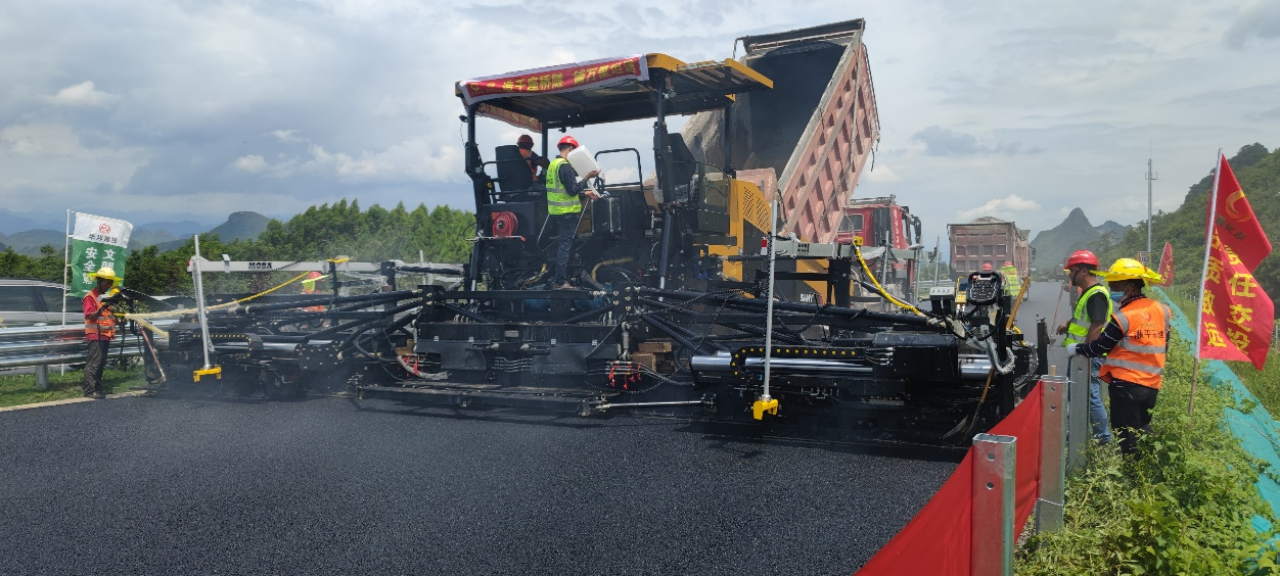
Material transport vehicles arrive and unload the preheated asphalt mixture into the Asphalt Paver's hopper.
Install warning signs and demarcate the construction area to ensure the safety of personnel and vehicles during construction.
For projects with drainage needs, mark the drainage slope to provide a benchmark for subsequent paving.
2. Paving Process and Rolling
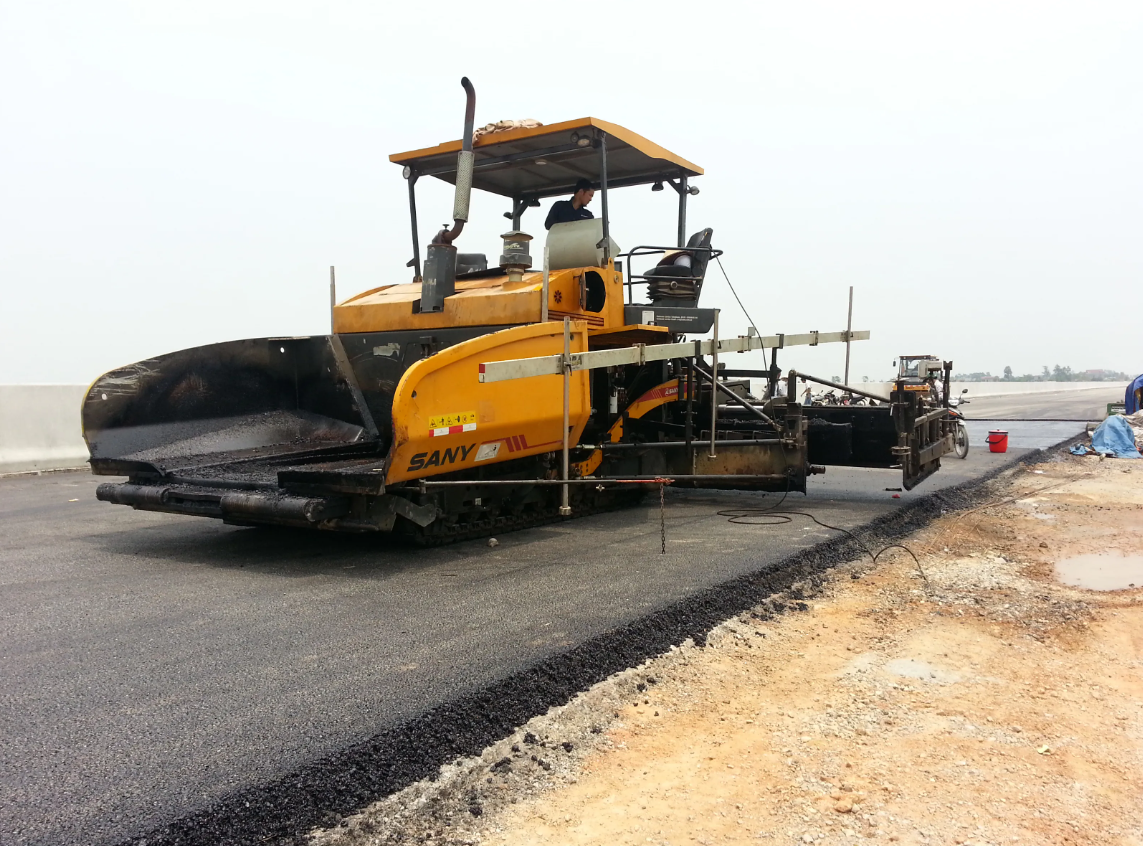
Paving: The Asphalt Paver moves forward at a constant speed along the preset baseline to ensure uniform distribution of the asphalt mixture. Special personnel are assigned ahead of the Asphalt Paver to direct material trucks for unloading, preventing paving interruptions and cold joints caused by insufficient material in the hopper. During paving, technicians real-time measure the paving thickness and temperature, adjusting equipment parameters promptly.
Compaction: Compaction follows immediately after paving, adhering to the principles of "light first, heavy later; slow first, fast later; edges first, center later". Initial compaction uses steel wheel rollers to stabilize the asphalt mixture; re-compaction adopts rubber wheel rollers or heavy steel wheel rollers to improve pavement density; final compaction uses steel wheel rollers again to eliminate compaction marks and ensure pavement flatness. The entire compaction process must be completed before the asphalt mixture temperature drops to 80℃ to avoid affecting compaction results.
3. Finishing Edges, Cleanup, and Inspection
After paving and compaction, the pavement edges need to be trimmed to remove excess asphalt, ensuring neat and aesthetic edges as well as smooth connection with curbs, sidewalks, etc.
Subsequently, site cleaning is carried out to clear waste materials, equipment oil stains and other residues generated during construction, restoring the construction area to a clean state.
Finally, the acceptance inspection is conducted: professional tools are used to test key indicators such as pavement flatness, density and thickness. Meanwhile, check for quality issues like cracks, rutting or looseness on the pavement. After confirming qualification, complete the handover procedures with the owner and inform them of post-maintenance precautions.
How to Find and Hire the Right Asphalt Paver Company
Choosing an Asphalt Paver Company is a rigorous task that requires comprehensive consideration of multiple factors to avoid project quality issues caused by blind selection. Here are key recommendations:
1. Verify Company Qualifications and Reputation
A regular Asphalt Paver Company should hold general contracting qualifications for municipal engineering or professional contracting qualifications for highway pavement engineering, along with a work safety license.
You can check qualifications through government department official websites, consult owners with similar project experience nearby about the company’s reputation, or view customer reviews on industry platforms. Focus on potential issues such as quality complaints and construction delays.
2. Inspect Past Projects and Construction Teams
Request the company to provide similar project cases from the past 3-5 years, such as real-scene photos and acceptance reports, to understand its construction level.
Meanwhile, inquire about the composition of the construction team—experienced workers usually have more than 5 years of industry experience and can handle unexpected issues during construction.
If conditions permit, conduct an on-site inspection of ongoing projects to observe whether the construction process is standardized, the equipment is advanced, and the on-site management is orderly.
3. Pay Attention to the Reasonableness of Quotations
Excessively low quotations often hide hidden problems, such as the use of shoddy materials, reduced construction processes, or cutbacks on equipment investment.
Quotations from regular companies will detail breakdowns including material costs, equipment rental fees, labor costs, and taxes, with price ranges basically consistent with market conditions.
When comparing quotations, do not solely pursue low prices; instead, comprehensively evaluate cost-effectiveness by combining project quality commitments and after-sales services.
4. Clarify Contract Terms and After-Sales Services
When signing the contract, key clauses such as construction scope, construction period, quality standards, payment methods, and liability for breach of contract must be clearly defined. In particular, core technical indicators including asphalt grade, paving thickness, and density, as well as the warranty period—during which free repairs will be provided for quality issues—should be specified.
Meanwhile, confirm whether post-maintenance guidance services (such as regular cleaning and crack treatment) are offered to help extend the pavement’s service life.
Conclusion
Asphalt paving projects may seem simple, but they are actually a comprehensive reflection of technology, equipment, management and experience. A professional Asphalt Paver Company can not only complete the basic task of "paving good roads" but also ensure the durability and safety of pavements through scientific scheme design, standardized construction processes and comprehensive after-sales services, helping users save long-term maintenance costs. Therefore, before launching an asphalt paving project, it is advisable to fully understand industry knowledge and select a suitable constructor. It is believed that with the above guide, you can better control the quality of asphalt paving projects and maximize the value of every investment.
FAQs
What Do Paving Companies Do?
The services of paving companies cover two major areas: new construction and maintenance, including: site survey and scheme design, new asphalt pavement construction (such as roads, parking lots, playgrounds, etc.), old pavement renovation and reconstruction (such as milling, crack sealing, thin-layer resurfacing, etc.), supporting facilities construction (such as marking painting, curb installation). Some companies also provide post-maintenance and repair services.
What Does an Asphalt Paver Do?
Asphalt Paver is the core equipment for asphalt paving. Its main function is to evenly spread heated asphalt mixture on the base surface, initially compact it through vibration devices, and control paving thickness, width and flatness according to preset parameters. Its performance directly affects pavement flatness and density—high-quality Asphalt Paver enables high-precision paving and reduces the difficulty of subsequent compaction.
How to Tell a Good Asphalt Paving Job?
Quality judgment of asphalt paving projects can be approached from two aspects: appearance and core indicators.
In terms of appearance, the pavement should be flat without obvious undulations, free of defects such as cracks, potholes, looseness and rutting, with neat edges and smooth connection to surrounding facilities.
For core indicators, professional testing can confirm whether density, flatness, thickness and other parameters meet the standards.
In addition, regular constructors will provide acceptance reports containing test data of various indicators, which can serve as an important basis for quality judgment.
Featured Products


Recommend Blogs
Bitumen Paver Machines: A Complete Guide to Smooth Road Construction
This article provides a comprehensive understanding of bitumen paver machines, covering basic knowledge to cutting-edge technologies.
Quick Selection Guide: Detailed Explanation of Paver Mean
This guide will help you fully understand what a paver mean is, so that you can make informed decisions and select suitable equipment for your road-paving project.