Agricultural Telehandler: Types, Applications & 2026 Buying Guide
This article introduces the composition, types, application scenarios, and key selection points of agricultural telehandlers.
With the transformation of modern agriculture towards large-scale and intensive operations, the applications of telehandlers in agriculture are becoming increasingly widespread. The terrain adaptability and functional limitations of traditional handling equipment make them unsuitable for agricultural operations, and the emergence of agricultural telehandlers offers a perfect solution.
Combining the load-bearing capacity of traditional forklifts with the flexible accessibility of telescopic booms, it can be considered a "flexible and powerful arm" for modern agriculture. This article will introduce its concept, structure, and product types, detailing its agricultural applications and selection guidelines to help readers gain a comprehensive understanding of this core piece of equipment.
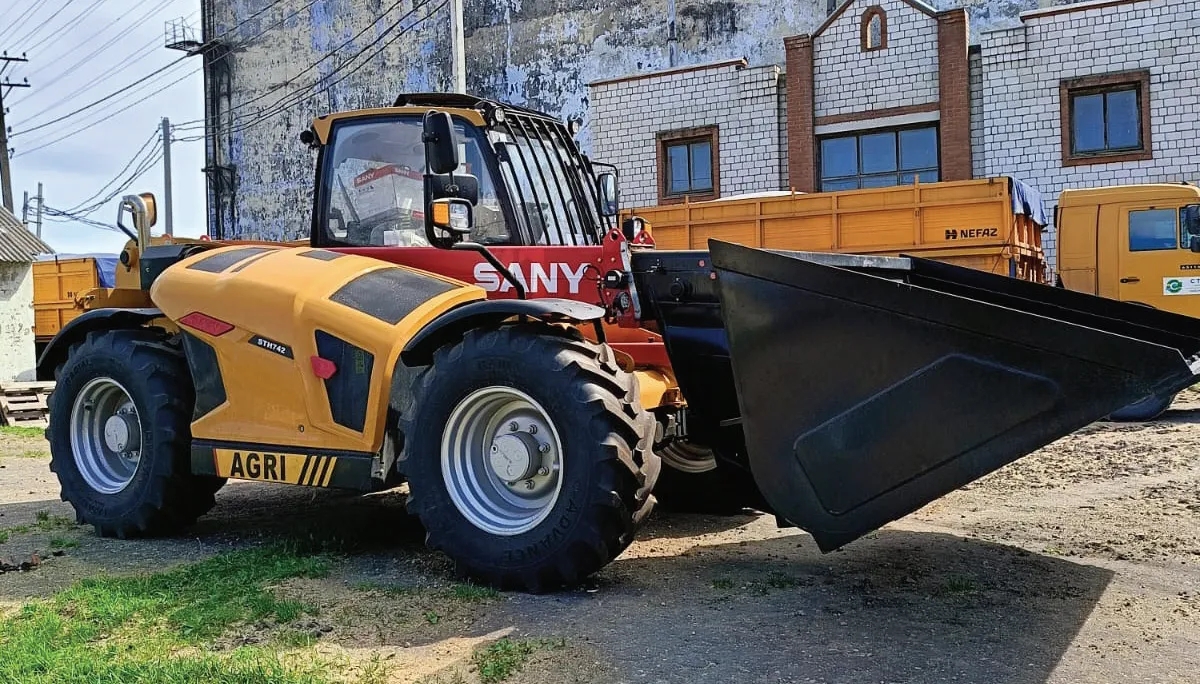
What is an Agricultural Telehandler?
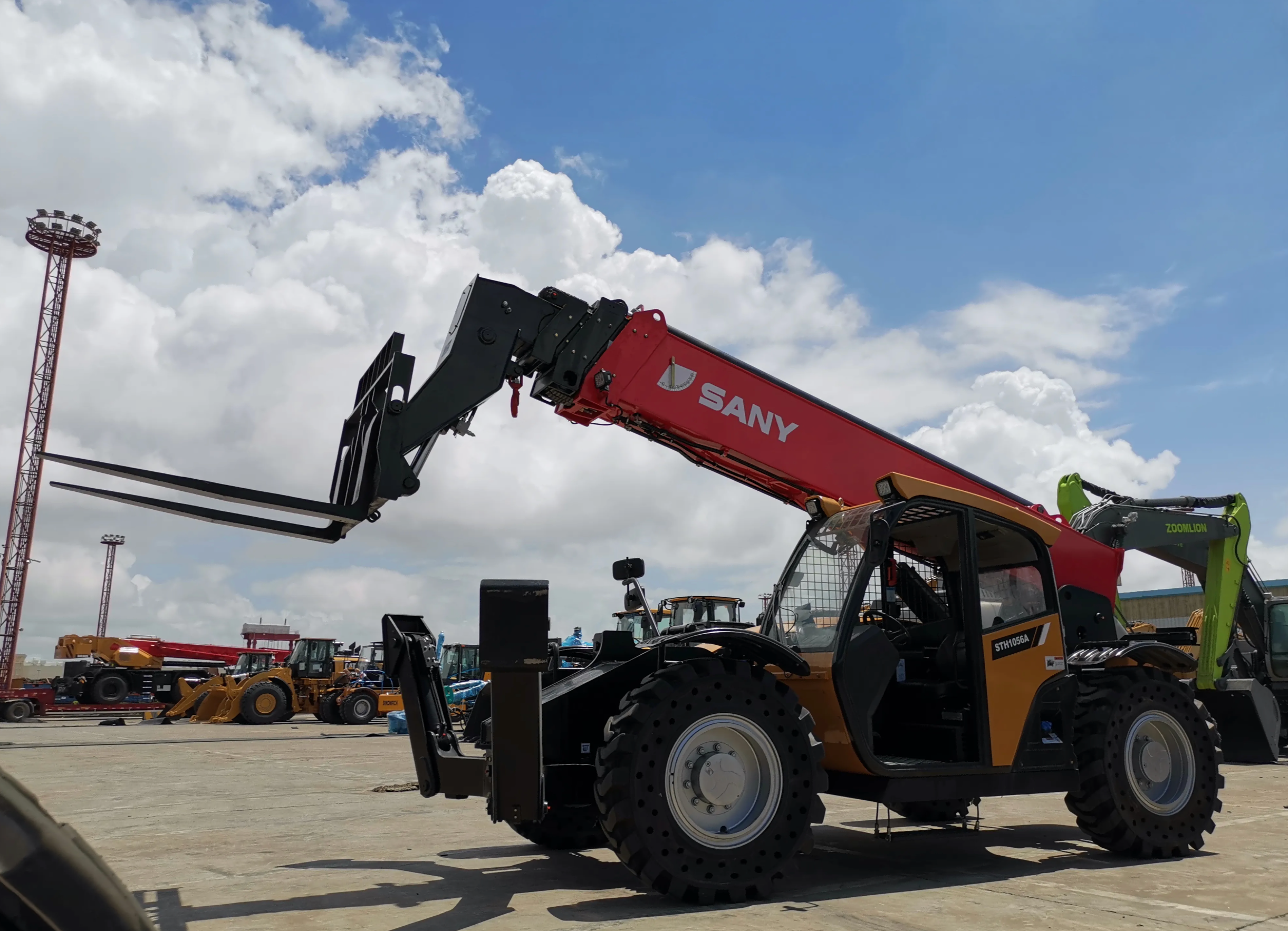
An agricultural telehandler, also known as a farm telehandler, is a hybrid machine that combines the advantages of a crane and a forklift. It offers the high-reach lifting and flexible hoisting capabilities of a crane, along with the load-carrying and efficient material-handling functions of a forklift, making it a versatile, multi-functional piece of agricultural equipment.
From the outside, the agricultural telehandler resembles a more powerful and versatile traditional forklift, but the core difference lies in its flexible telescopic boom design. Its core component is a freely extendable, retractable, height-adjustable, and tiltable front boom, which can easily extend outwards and lift upwards. It can not only perform the vertical lifting and horizontal transport tasks of a traditional forklift, but also overcome obstacles and reach into narrow spaces to operate, adapting to a variety of complex scenarios.
Agricultural Telehandler Structure
The overall structure of an agricultural telehandler consists of six core systems:
- Chassis and frame: Supports all major components such as the boom and cab. It is typically constructed of heavy-duty steel and includes the main frame, swing axles, and rear counterweight. Some models are equipped with a front stabilizer to ensure load-bearing capacity and terrain adaptability.
- Cabin and control system: Integrates the boom, accessory control levers, and driving and braking components. It features an instrument panel and load torque indicators to enable equipment operation and ensure operator safety.
- Telescopic boom: Composed of a base boom section, retractable inner section, lifting and telescopic cylinders, and boom head, it provides lifting height and forward extension distance, enabling high-level and long-distance placement of goods, suitable for agricultural stacking, loading, and other operations.
- Power system: Primarily a diesel engine, paired with a transmission and drive axle, standard four-wheel drive provides power to the equipment drive and hydraulic system, ensuring traction and operational responsiveness.
- Hydraulic System: Includes components such as hydraulic pumps, control valves, cylinders, and oil tanks. It converts engine power into controllable movement of the boom and attachments, determining the speed and precision of boom movement, and is suitable for precision loading operations in agriculture.
- Attachment Interface: Consists of quick-change couplings, tiltable (or rotatable) brackets, locking pins, and auxiliary hydraulic joints. This allows for quick replacement and secure securing of various operating attachments, such as forks, buckets, grab buckets, lawnmowers, and grippers, ensuring the equipment meets multi-functional operational needs.
Common Types of Agricultural Telehandlers
Depending on the operating scenario and load requirements, agricultural telehandlers are mainly divided into four categories, each with distinct characteristics and different suitable scenarios. Understanding their types can help better match subsequent agricultural operation needs, as follows:
Compact Telehandlers
Designed specifically for confined spaces, it offers strong maneuverability and is suitable for crowded areas, small farms, or narrow sheds. Despite its small size, it boasts outstanding lifting capacity, and some models are equipped with four-wheel steering to further enhance maneuverability.
High-Reach Telehandlers
The core advantage is its long boom design, which allows for a high lifting height, making it suitable for high-altitude stacking and high-altitude operations, such as stacking round bales of hay into 5-6 layer columns, or for farm construction and maintenance.
Heavy-Duty Telehandlers
With strong load-bearing capacity and a powerful engine, it is suitable for demanding heavy-duty operations and can easily move heavy agricultural materials or heavy farm construction materials.
Rotating Telehandlers
Equipped with a 360-degree rotating turret, the operator can place goods in any position around the equipment without repositioning it, which is suitable for precise positioning operations, such as seedling transplanting and material transfer in confined spaces.
Telehandler Agriculture Applications
Telehandler agriculture applications are becoming increasingly widespread. Combining the unique advantages of different models, and boasting multi-functional adaptability, a wide operating range, and strong carrying capacity, it has become an indispensable tool in modern agricultural production. With appropriate attachments, it can flexibly meet the needs of various agricultural operations. Common application scenarios include the following:
Warehousing Operations
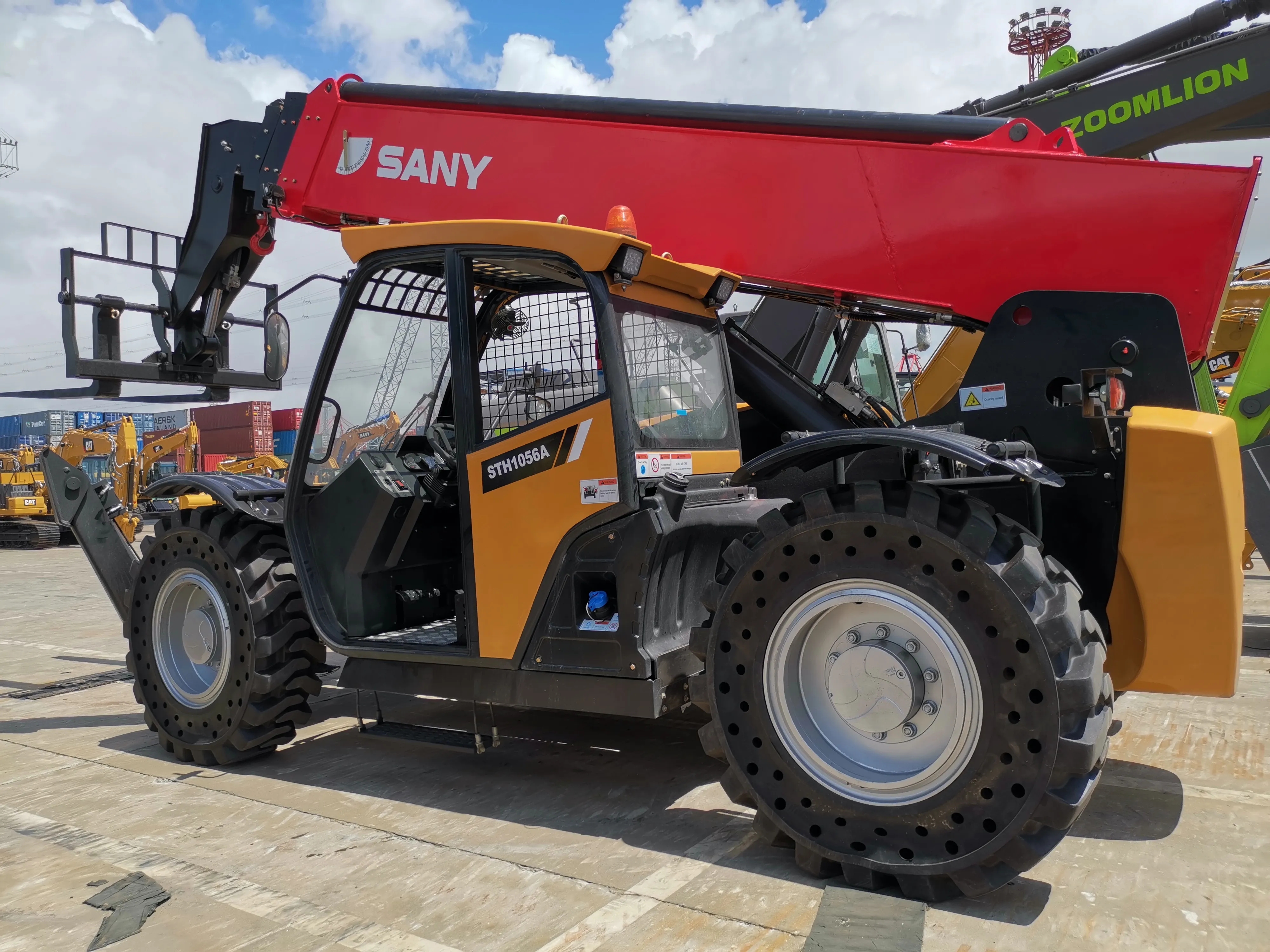
Warehousing is a crucial post-harvest stage in agricultural production and one of the most widespread applications of agricultural telehandlers. In the storage of agricultural materials such as grains, fertilizers, and feed, telehandlers, equipped with forklift attachments, can easily perform loading and unloading, horizontal transport, and high-level stacking operations.
For example, SANY telehandlers have a maximum lifting height of 10-17.1 meters and a rated capacity of 2.7-5.5 tons. They also feature a weight indication system and horizontal movement capabilities. Their flexible telescopic boom design allows materials to be precisely stacked at higher levels in the warehouse, significantly improving the utilization of storage space.
Traction and Transportation Operations
Heavy-duty agricultural telehandlers can not only handle large quantities of grain, hay, and feed, and perform heavy-duty operations such as straw baling and transfer, log stacking, and wood chip loading and unloading, but also possess strong traction capabilities, allowing them to connect with small and medium-sized agricultural implements and material trailers for auxiliary transportation in the fields. Meanwhile, compact and rotary models, with their short wheelbases and flexible steering, can precisely navigate through narrow greenhouses and warehouses, transporting fruits, vegetables, seeds, pesticides, and other materials. They are suitable for both open fields and confined spaces, working together to connect all aspects of agricultural production.
Livestock Feeding and Care Operations
The agricultural telehandler, equipped with accessories such as round bag clamps and silage grabs, can quickly transport hay and silage and accurately distribute them to each feeding point, effectively reducing feed loss and the labor intensity of farm workers. With the addition of a lifting platform, operators can be smoothly transported to the livestock for convenient inspection, treatment, and disease prevention, avoiding the safety risks associated with climbing and achieving integrated and efficient feeding and care operations in large-scale farms.
Crop Optimization Operations
The agricultural telehandler, paired with lifting equipment and pruning attachments, can perform tasks such as transplanting, fertilizing, and pruning in orchards and nurseries. Its telescopic arm allows for precise operations, avoiding crop obstruction, reducing crop damage, and helping to improve crop yield and quality.
High-Altitude Operations
The agricultural telehandler, paired with a lifting platform, can transport operators to high altitudes to perform tasks such as farm building repairs, roof maintenance, and drainage ditch cleaning. It replaces traditional equipment like scaffolding and ladders, reducing the risks of working at heights and improving efficiency and safety.
In addition to the common application scenarios mentioned above, the application scope of the agricultural telehandler can be further extended. In the daily operation of farms, it can also be flexibly used for routine operations such as tree branch collection and debris removal. Even in winter, it can undertake tasks such as road snow removal and snow removal in the field, further highlighting its multi-functional value and comprehensively helping to carry out efficient agricultural production.
Agricultural Telehandler Selection Guide
The core advantage of agricultural telehandlers is their versatility; however, the market offers a wide variety of models with significant differences. Choosing the right model requires comprehensive consideration of your specific needs to avoid wasting investment. Here are four key factors to consider:
Load Capacity and Lifting Height
The primary consideration when selecting an agricultural telehandler is matching its maximum load capacity and operating height requirements to real-world scenarios such as agricultural stacking and heavy-duty operations. Common models offer load capacities ranging from 2 to 9 tons and lifting heights from 4 to 15 meters. It's essential to consider the specific agricultural stacking and heavy-duty scenarios to determine the optimal choice, while also referring to the manufacturer's load charts to ensure proper weight distribution and stability, thus avoiding potential safety hazards.
Application Terrain and Spatial Conditions
Select the appropriate model based on the terrain. For rugged outdoor terrain, choose an off-road model (large reinforced tires, all-wheel drive) to suit complex environments such as fields and pastures. For confined spaces, choose a compact model (small turning radius) to facilitate movement through sheds and narrow paths. Some models feature four-wheel steering and a crab mode to enhance positioning flexibility in narrow areas, making them suitable for precision operations.
Compatible Attachments and Multifunctionality
When selecting attachments based on operational needs, their versatility should also be considered. A model that can be equipped with multiple attachments can perform various agricultural operations, eliminating the need for multiple additional machines and saving costs. Furthermore, models with quick-connect systems should be prioritized for easy attachment switching and improved operational efficiency.
Operator Comfort and Safety Features
Comfort requires the selection of ergonomic cabs and convenient control devices to alleviate operator fatigue during long hours of work. For example, the SANY telehandler features a user-friendly cab equipped with an intuitive touchscreen display, USB ports, storage space, and other convenient features, balancing comfort and practicality. Safety focuses on load management systems, enhanced visibility features, and automatic leveling functions to reduce the risk of accidents.
Conclusion
The agricultural telehandler, as a multi-functional agricultural equipment, combines the advantages of cranes and forklifts. With its flexible telescopic boom, strong load-bearing capacity, and four differentiated models, it drives the continuous expansion of telehandler agriculture applications, comprehensively covering the entire agricultural production process. It effectively addresses the pain points of traditional handling equipment, improves operational efficiency, reduces labor costs, and injects strong momentum into agricultural modernization and rural revitalization.
FAQs
What's the Difference Between a Forklift and a Telehandler?
The core difference between telehandlers and forklifts is that the former has a higher working height and a longer reach, and these machines offer a variety of load capacities and lifting height options, which are their key advantages. Forklifts can only perform material picking and handling operations, while telehandlers combine picking, placement, and handling functions, offering more comprehensive operational capabilities.
Is a Telehandler Better Than a Skid Steer?
Yes, telehandler loaders are superior to skid steer loaders in terms of operating range, lifting capacity, and versatility. The telehandler of the former can extend to higher and farther positions, lifting heavier materials and transporting them to the work site; while the boom of the skid steer loader is fixed, and its function is more focused on excavation, site leveling, and other operations, and its practicality in material handling and lifting is far inferior to that of the telehandler loader.
Is a Telehandler High Risk?
Telehandlers are high-risk equipment, especially non-swing telescopic boom forklifts. Their operation requires extremely high skill levels and must be performed by personnel with specialized knowledge and expertise to ensure safe operation. Furthermore, the equipment itself poses significant safety hazards, not only endangering the personal safety of the direct user but also posing substantial safety risks to personnel interacting with it during operation.
Featured Products
_101950.png)
_100611.png)
Recommend Blogs
Construction Telehandler: Everything You Need To Know
This article details the Construction Telehandler, covering its applications, selection, and common issues for industry reference.
How to Choose a Telehandler? Pick the Perfect Model for Your Job
How to choose a telehandler? This guide covers definitions, types, applications, and key considerations to help you select the right model.
What Is a Mini Telehandler: Practical Selection and Rental Guide 2026
This article introduces the definition, applicable scenarios, and selection guidelines for mini telehandlers, helping you construct efficiently.